
Abhimanyu Chakravorty
ISWA Technical Communications Coordinator
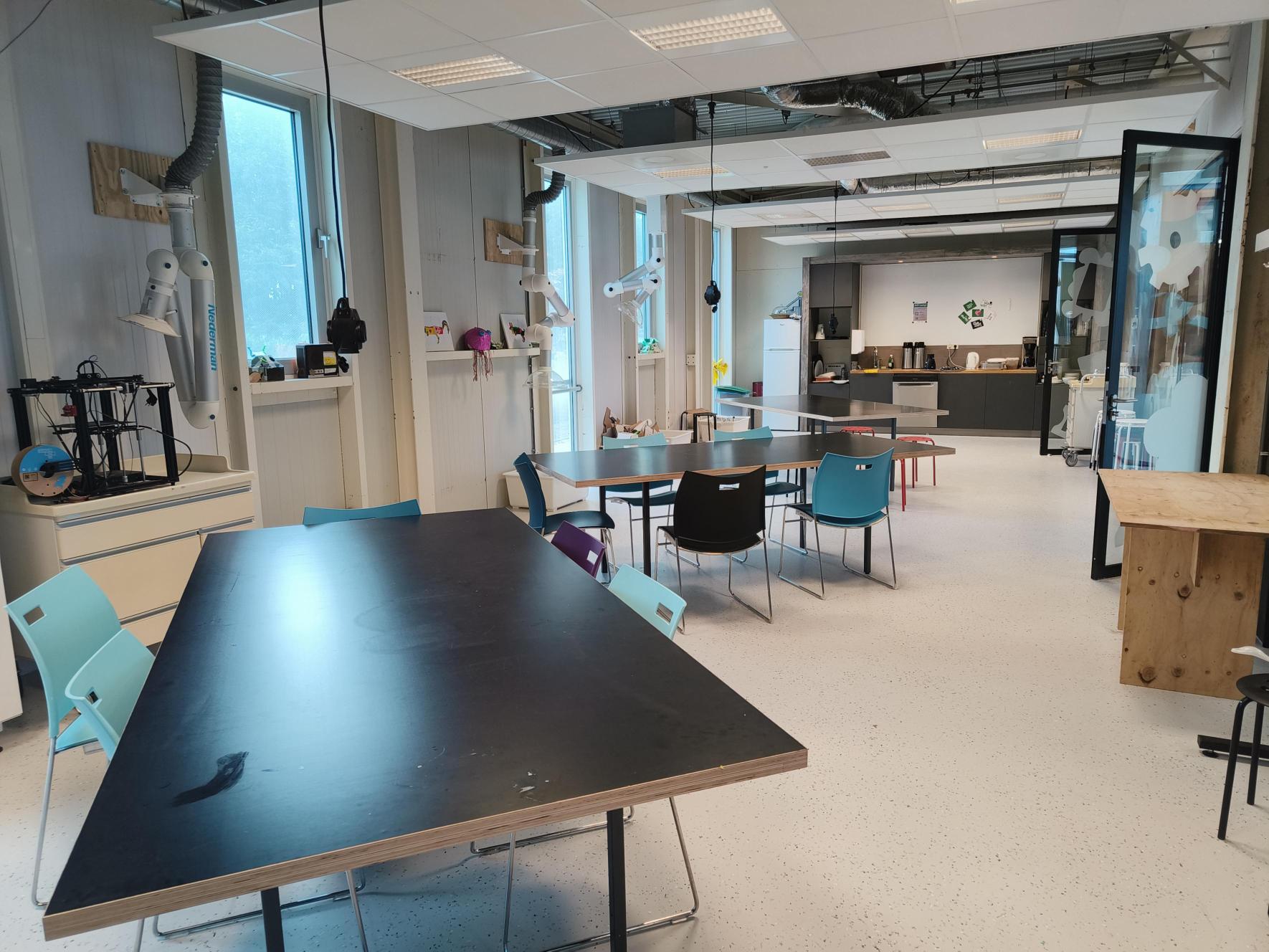
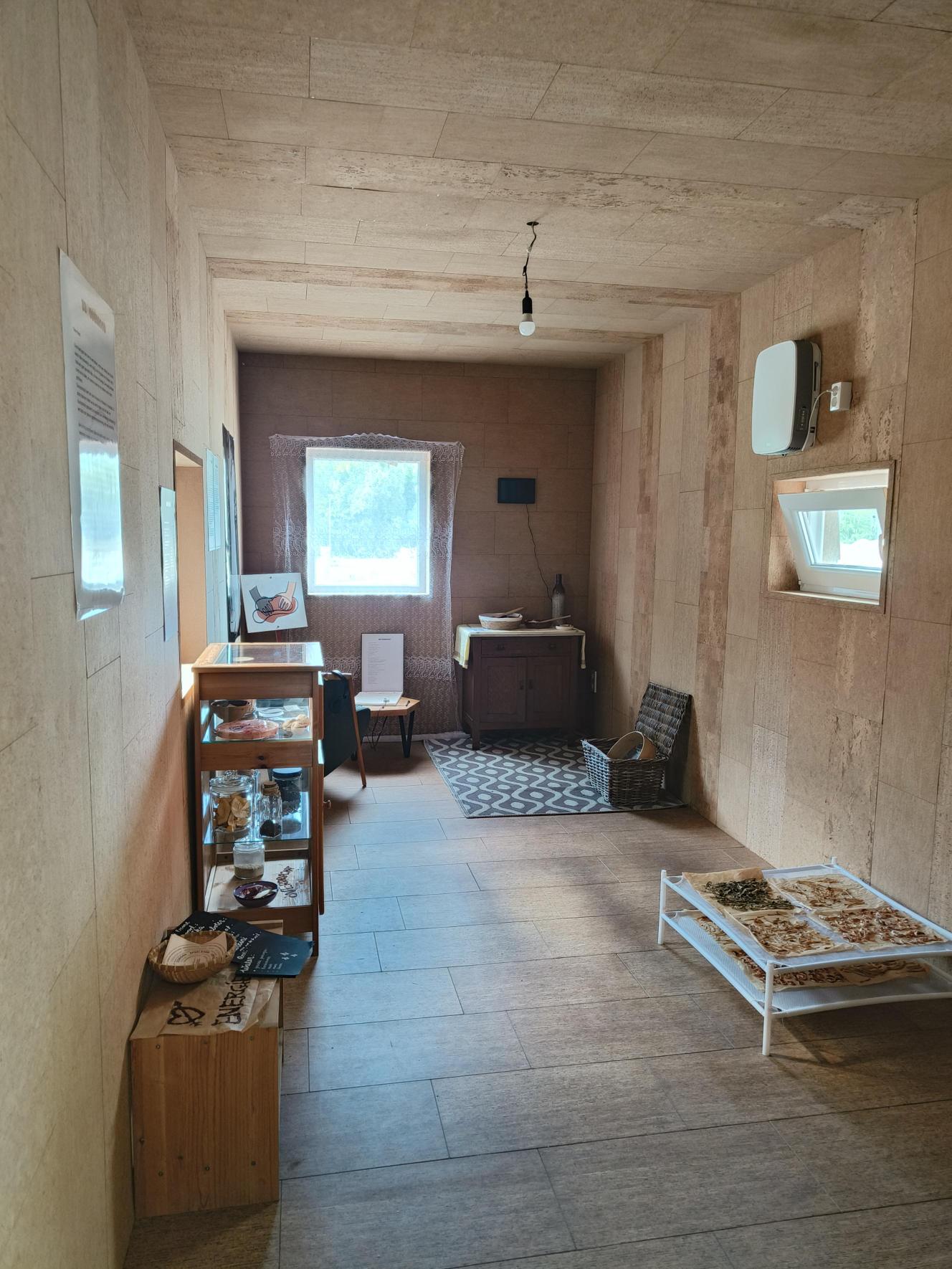
From the outside, several box-like structures stand in sharp contrast to each other, jutting out from the façade of a modern building. Every box has a unique design and personality. Apparently, all the boxes are made from recycled materials, and the walls are built using beer bottles and old window frames. Working inside these “boxes” are entrepreneurs who are thinking outside of the box by transforming discarded materials into valuable products to give them a longer lifespan. Welcome to De Her in Rotterdam, “a place to pass on and reuse”, where the building and the interiors are largely constructed circularly.
The De Her has been conceptualised and intentionally designed as a multi-purpose space for learning, exhibition and research where societal actors such as entrepreneurs, local government and citizens meet, learn and share knowledge on sustainable practices. In this way, De Her evidently foregrounds two key messages: circular practices in the built environment hold the potential to reduce carbon emissions, and a circular transition requires a creative interaction between multiple societal actors for a sustainable future that is just and clean.
Right opposite De Her is the Milieupark, a material recovery and recycling centre, where Rotterdammers give away items they no longer use but are still valuable, nonetheless. And thus, an idea glues both the Milieupark and De Her together in a practical unity: this is a centre for circularity! Interestingly, the design, construction and intentional proximity of the Milieupark and De Her bring to my mind the spirit of Rotterdam: creative, resilient and circular. Now it is open to the public.
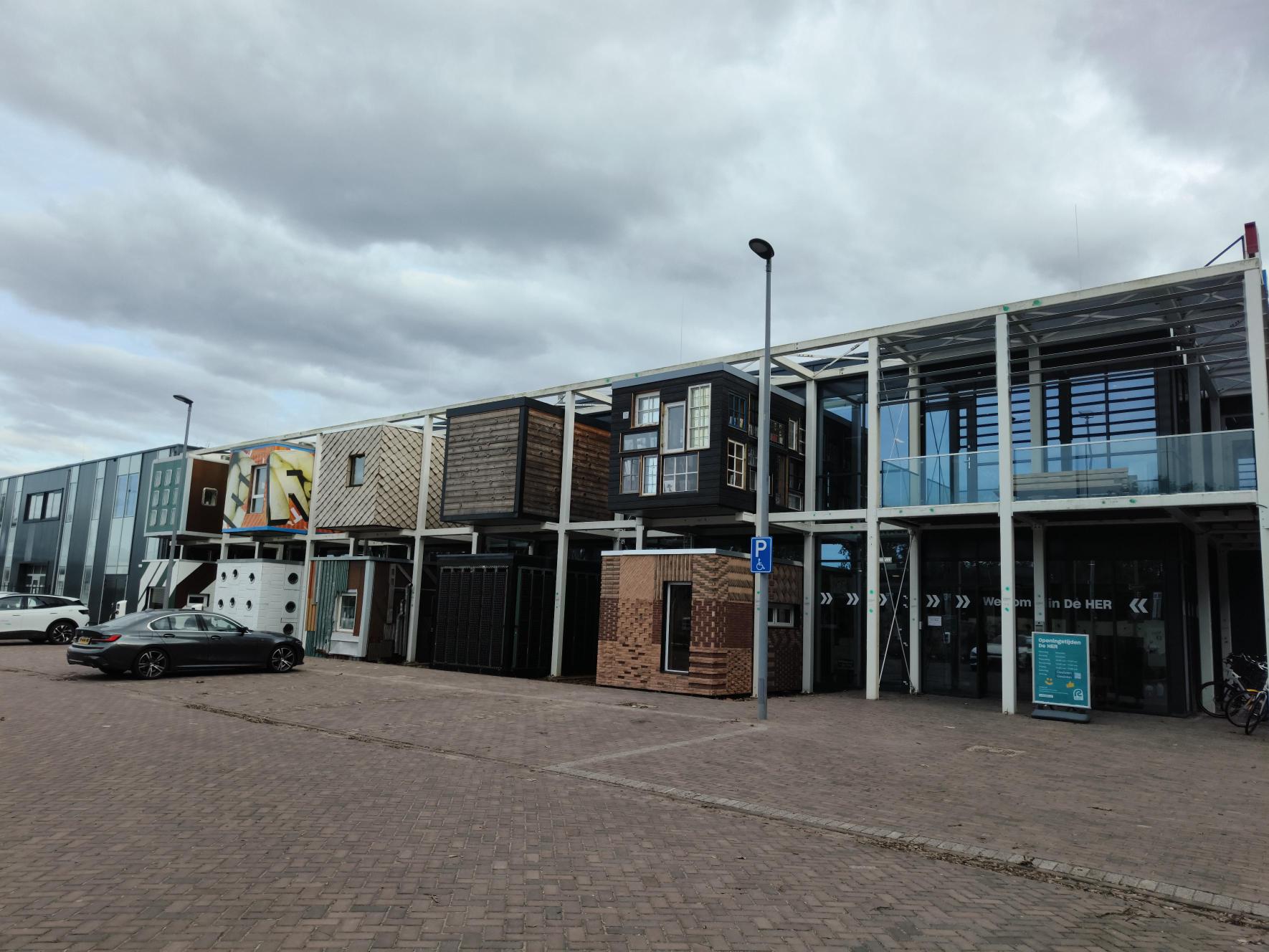
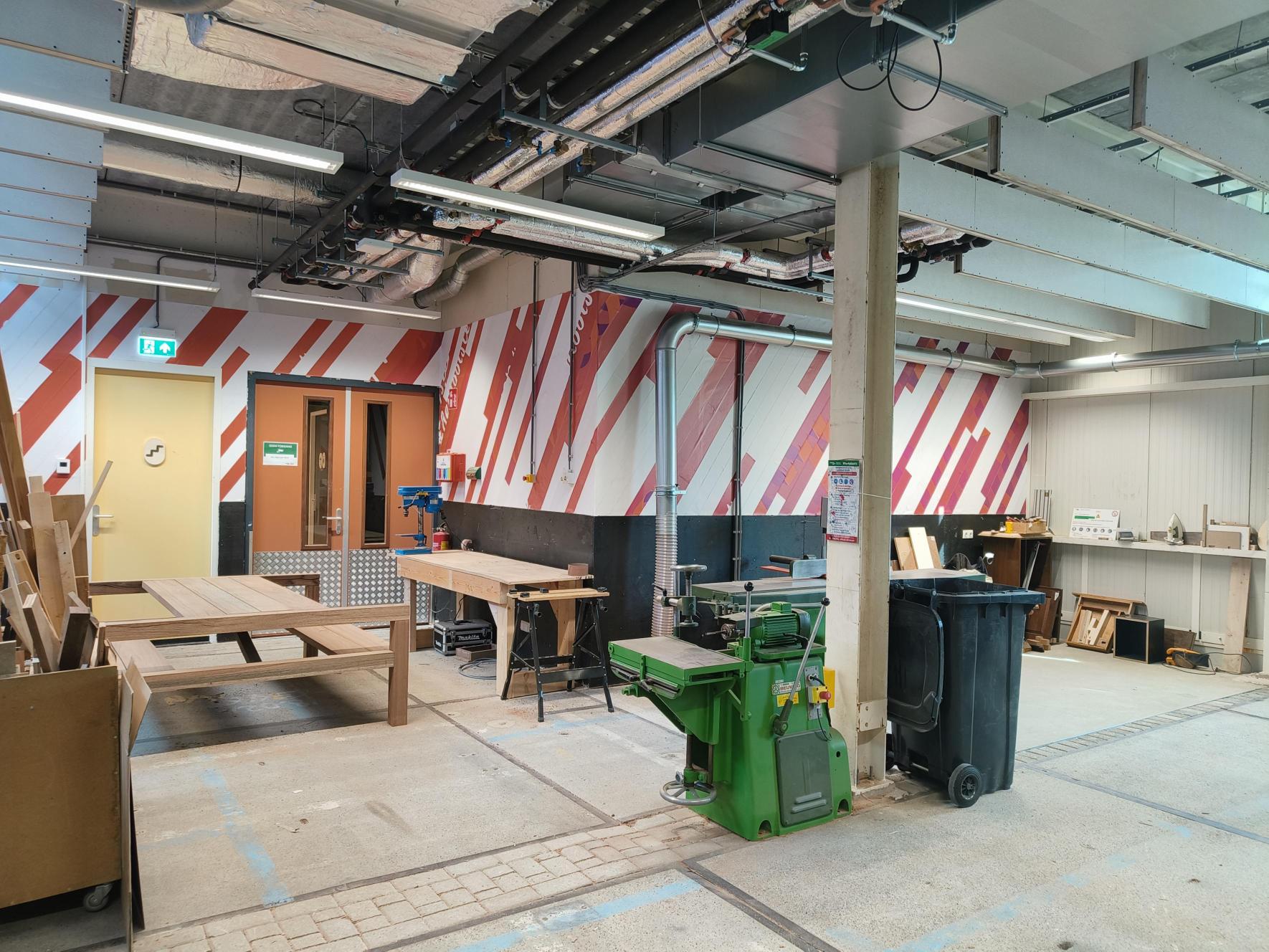
And so, the kind folks at NVRD invited the ISWA General Secretariat in September for a tour of the De Her in Rotterdam to demonstrate how the city is leading by example in circularity initiatives. The purpose of the visit was to share knowledge of NVRD and ISWA’s roles in supporting a circular transition through sustainable and inclusive waste management, both nationally and internationally.
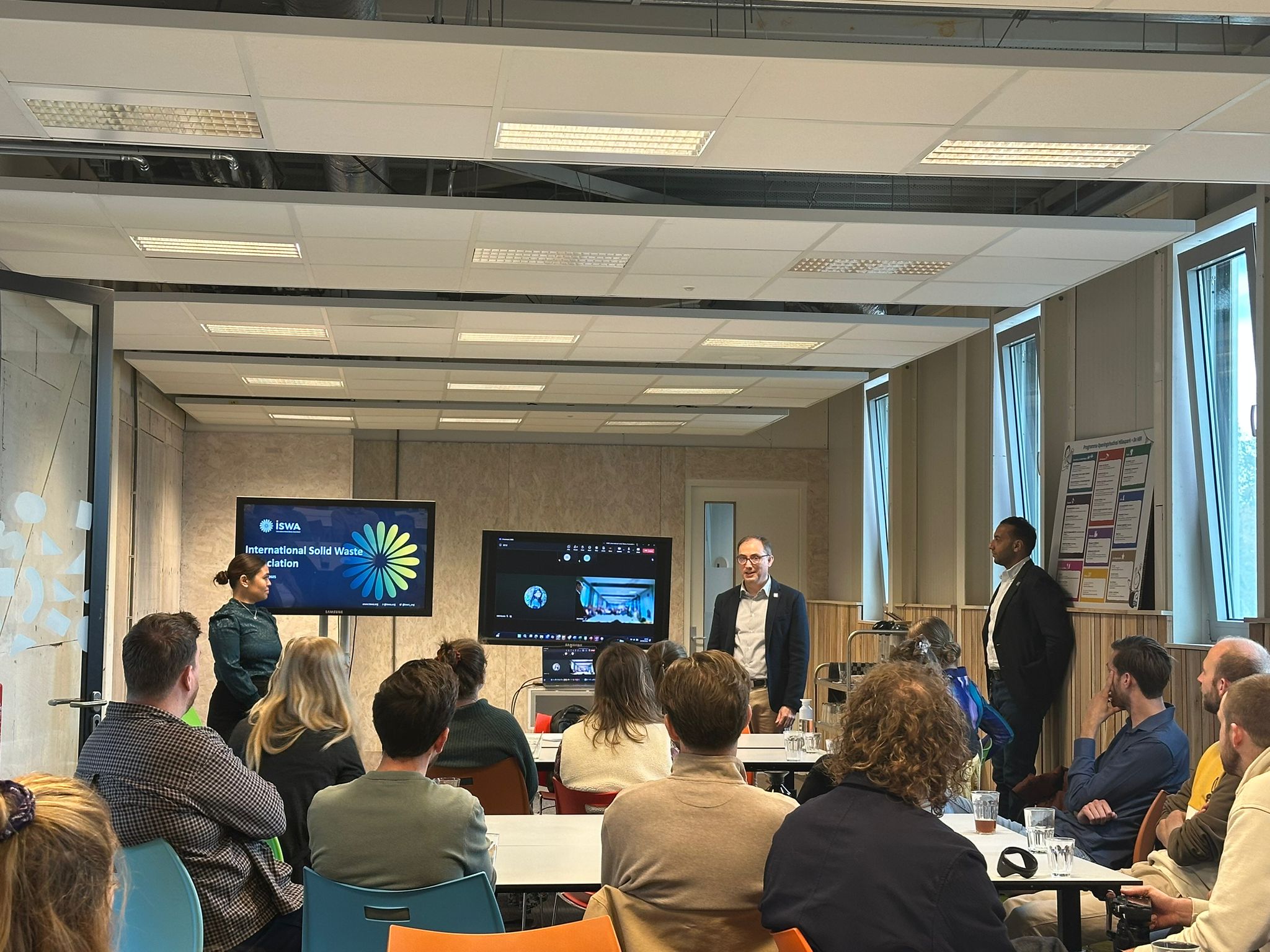
President of NVRD Laura Hesse-Smit opened the workshop with a brief presentation on the organisation’s members (Public waste collectors, municipalities and suppliers), role, and goals. The NVRD, Laura announced, “believes in a future with zero waste in The Netherlands”, and they stand true to the moniker “Ambitious when possible and practical if necessary”.
Potential areas of cooperation were identified between our organisations, such as the possibility of NVRD members joining the ISWA Young Professionals Group (YPG) and participation in ISWA’s summer and winter schools, along with study tours.
“The winter and summer schools might be interesting for NVRD members to attend, right?” asked Laura. ISWA’s Technical Lead, Mostafa Ahmed, replied, “It’s a good learning opportunity to deep dive into a specific material stream”. Adding some context, ISWA’s Events Manager Daphne De Leeuw said that winter schools are an annual affair, and ISWA is trying to organise a summer school in China (perhaps) because this hasn’t been done in year,s so maybe in 2027 it might happen.
Summer and winter schools are organised by ISWA’s national and international members and run usually for 2 weeks, including lectures, seminars, visits, and deep dive into a specific waste stream. ISWA also conducts study tours, but these are shorter in duration, ranging from 5 days to 1 week and focused on one waste stream.
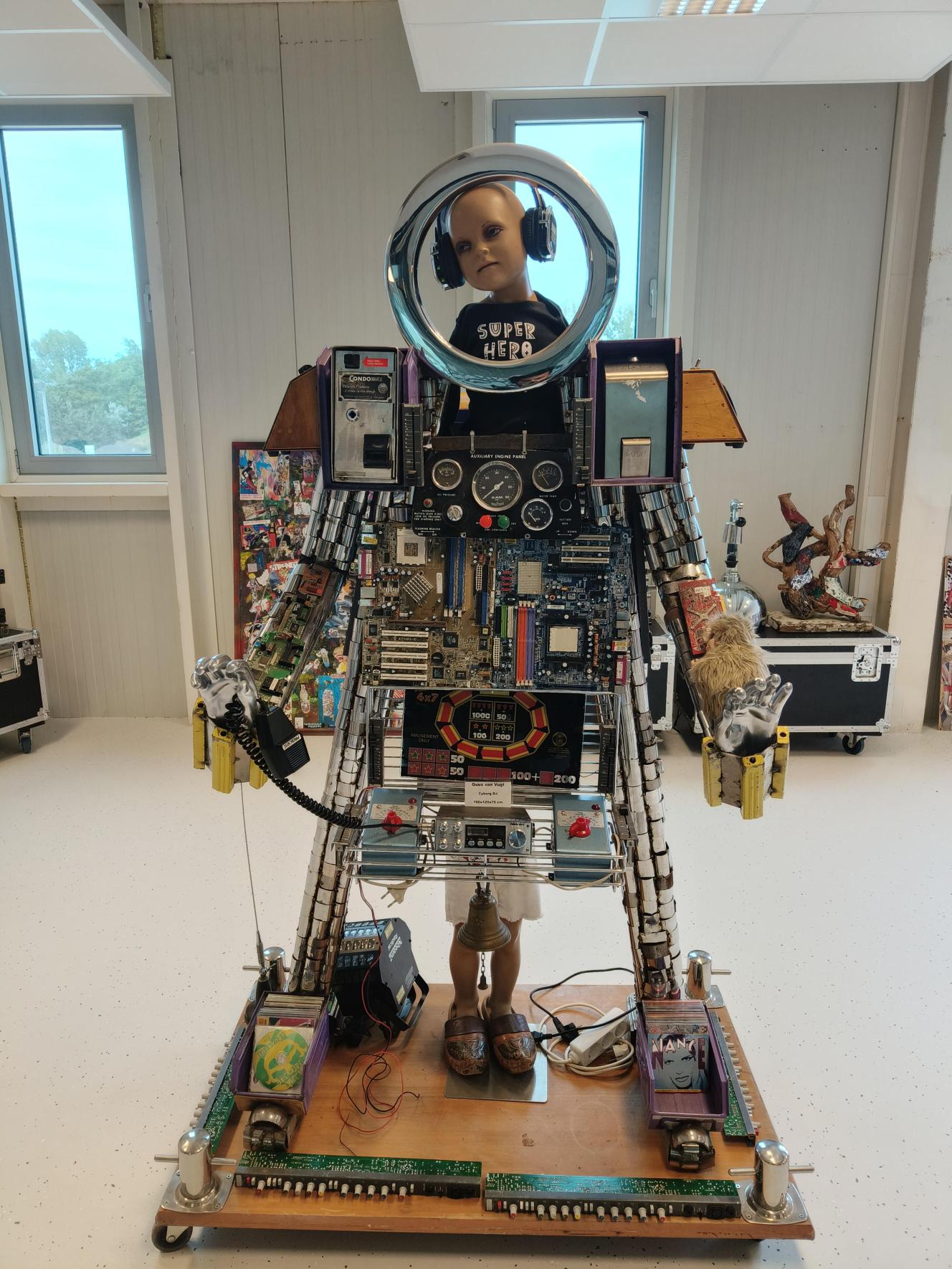
During ISWA’s presentation, an audience member asked about ISWA’s work in ensuring the implementation of Extended Producers Responsibility (EPR) in Europe and beyond. “ISWA’s Working Group on Governance and Legal Issues is working on the topic,” replied Mostafa. “We made a technical note on how to implement EPR system and support it with successful case studies that actually have worked,” he added.
Daan Van den Elzen from the Rotterdam Municipality, who was previously associated with the ISWA YPG, jumped in to add that the Extended Producer Responsibility Alliance (EXPRA) is an ISWA member and said it is possible to participate in their meetings to know more about the best practices in EPR.
Different regions demand different interventions. The EU, Mostafa remarked, “has an EPR scheme, but that needs to be improved but the Global South countries don’t have EPR so we need to introduce this scheme to lessen the burden on municipalities and residents.”

Providing a national perspective, Laura said that EPR in the Netherlands is focused on recycling, for example, diapers, and not on the prevention of waste, which is a problem for us to transition to a circular economy.
The stimulating conversations on waste were followed by a case study workshop from ISWA’s contribution to the Clean Oceans through Clean Communities (CLOCC) project. Funded by Norad – the Norwegian Agency for Development Cooperation – the project currently operates in four regions across Indonesia and India to combat marine litter and microplastics. The case study workshop titled “Banyuwangi Challenge” encouraged the audience to come up with out-of-the-box solutions for tackling marine litter and microplastics in Banyuwangi, Indonesia. To assist the audience, ISWA distributed a leaflet with some background information. Participants were divided into four teams and were asked to come up with an 8-minute pitch framing the problem and presenting an integrated solution.
“From tourist tax to creating local employment opportunities with repurposing waste items, the teams came up with multiple solutions from different perspectives in a collaborative fashion,” said Aditi Ramola, ISWA’s Technical Director, who was moderating the case study workshop.
Aditi has been involved in the CLOCC project from the start and she has some lessons to share. “We’ve learnt that solutions cannot be exported from outside to suit the needs of a particular context, behaviour change is a big part of the systems thinking, and that job creation has to be part of the solution as well.”
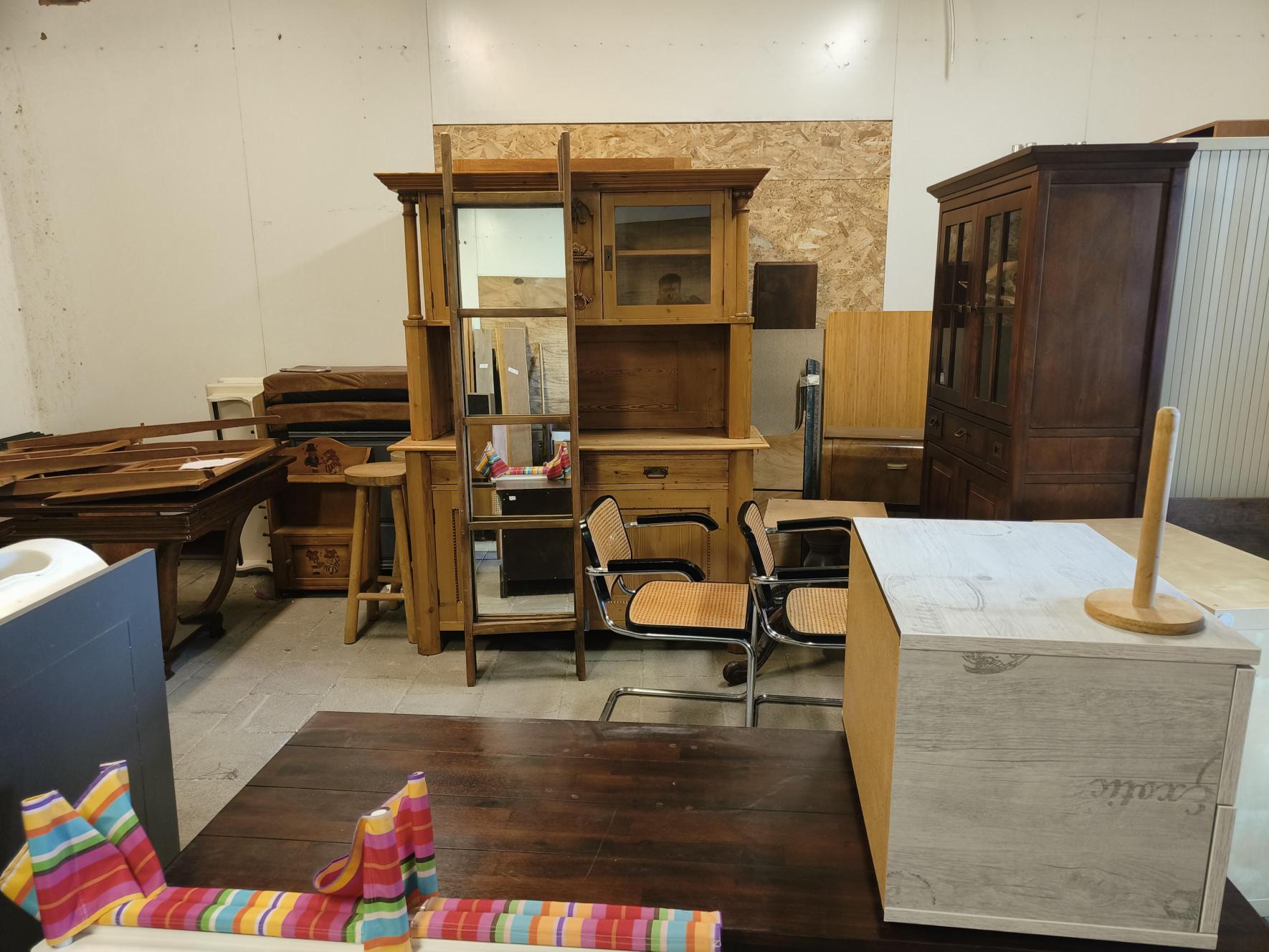
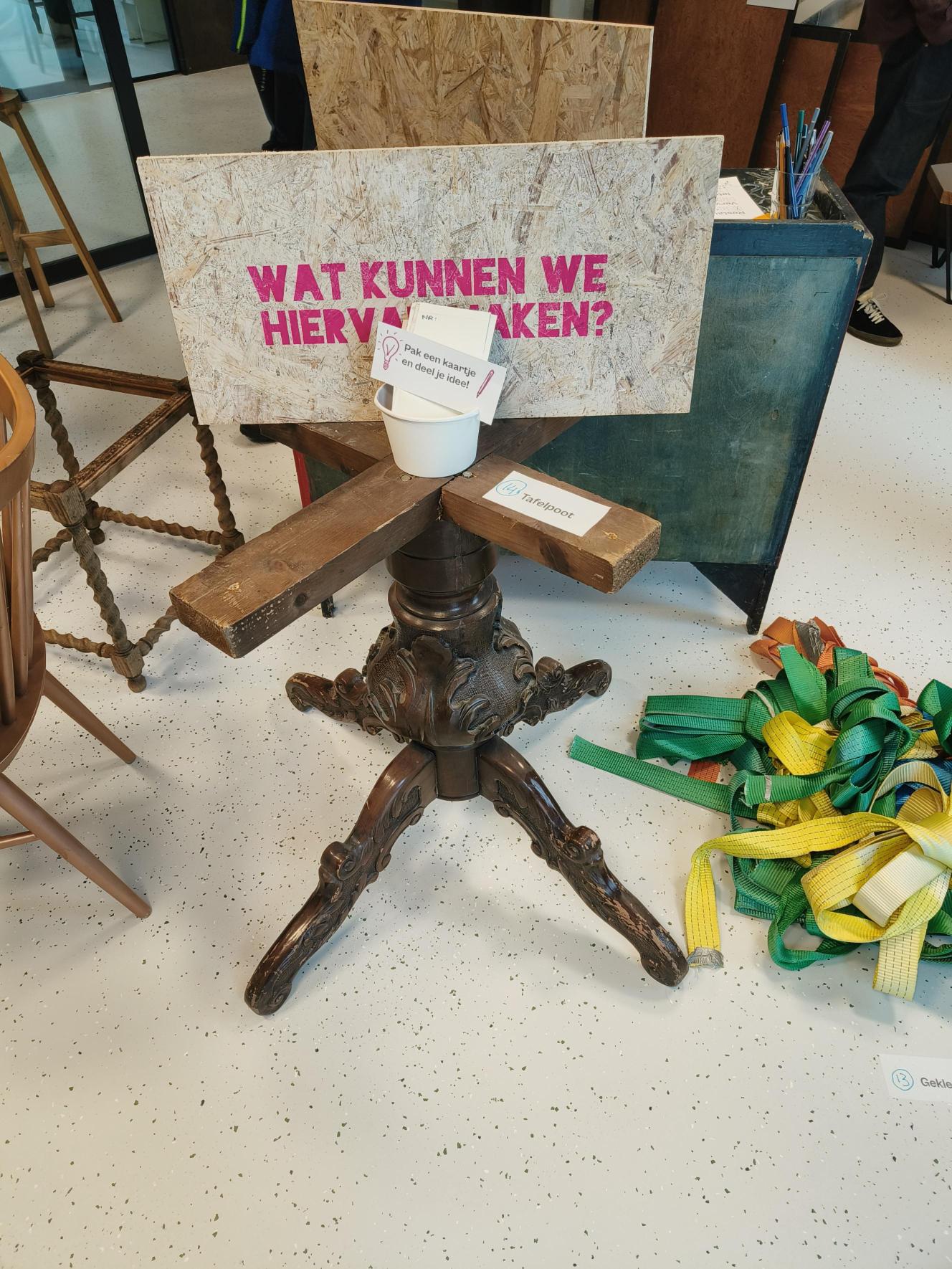
After the workshop, all participants were given a tour of De Her material recovery facility. There was a lot of stuff stored inside, including textiles, decorations, wooden furniture, etc – all useful materials. The tour manager told us that a lot of stuff comes into the facility, but “you need to have an eye for details and pick pieces that could have a future”.
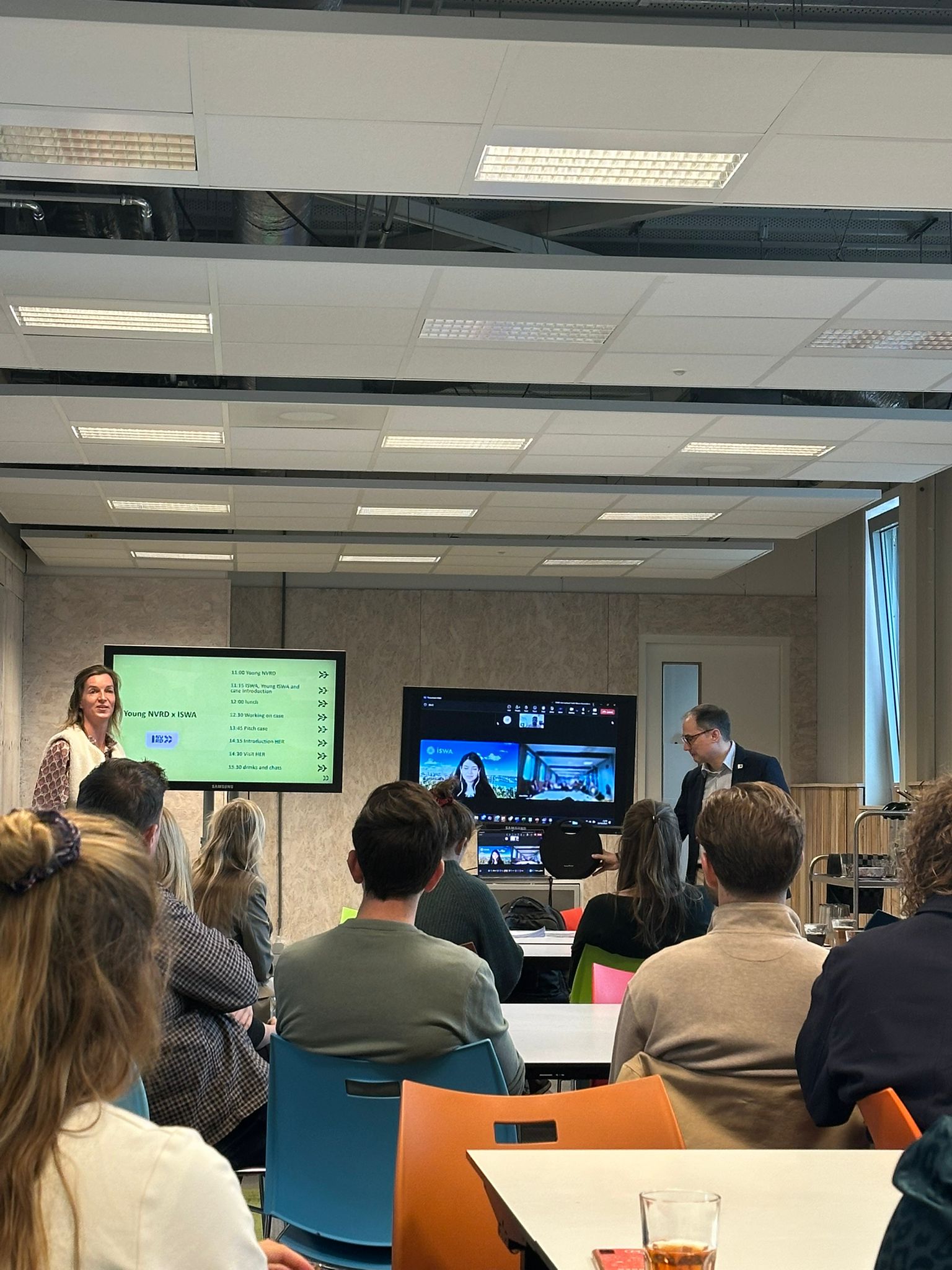
But of course, finding the right destination for all the materials is challenging. If the collections keep growing, what do they do with the materials? “If the collections keep being unsold, we try to find some purpose, like selling to people among other things,” said the tour manager.
De Her piques your curiosity, makes you think about materials in a way that few spaces can. There is a story in every detail of the building.
Before De Her was born, the building served as a lab space in Delft, which was later dismantled, and the demolition materials were shifted to Rotterdam. The leftover or secondary materials from the demolition of the building provided a fresh input stream to the Rotterdam Municipality, BAM Bouw en Techniek (BAM) and Roelofs to rebuild another structure in Bovendijk, which is now called De Her. An overview of all the materials used in the project has been documented in a Material Library. By the way, one of ISWA’s EU-funded projects called Wood2Wood is also developing a similar material library called the Digital Product Passport (DPP) that will enable the collection and presentation of data on products across supply chains to consumers and supply chain actors. Essentially, De Her has been built mostly with materials already available, lowering carbon emissions associated with using virgin materials.
De HER is a vibe, a practical window into Rotterdam’s circular future. Beautiful and creative inside out!