Hon.Prof.(FH) DI Dr. Arne M. Ragossnig
Waste management is a complex task and needs diverse approaches according to the specific waste streams to be addressed. The over all purpose of the waste sector must be to recover as much of the resources contained in waste as possible while making sure to establish clean material cycles. Global commitments like the Stockholm Convention ask for destruction of persistent organic pollutants (POP). This also applies to POP waste which must not be recycled but thermally treated and thereby destroyed.
In a modern state of the art system the purpose of WtE facilities goes far beyond a waste service only. These facilities serve as important baseload facilities for the energy provision while at the same time serving as a final sink for waste that cannot yet be recycled. Any recycling done beforehand according to the waste hierarchy on the other hand delivers residues that cannot be recycled but need a sound treatment such as thermal treatment as well.
For ISWA, Waste-to-Energy is not a one-size-fits-all answer, but an important and proven option within an integrated waste management system for residual and other non-recyclable waste. Its responsible application depends on much more than technology alone: it requires sound governance, effective collection systems, regulatory oversight, environmental safeguards, and a clear understanding of local needs and constraints. This is why practical exposure to real facilities, expert insight, and direct discussion of implementation conditions are so valuable. The ISWA Waste-to-Energy Study Tour is designed precisely to provide that perspective, grounded in the principles set out in ISWA’s position on Waste Incineration with Energy Recovery.

ISWA Position Paper on Waste Incineration with Energy Recovery, November 2024
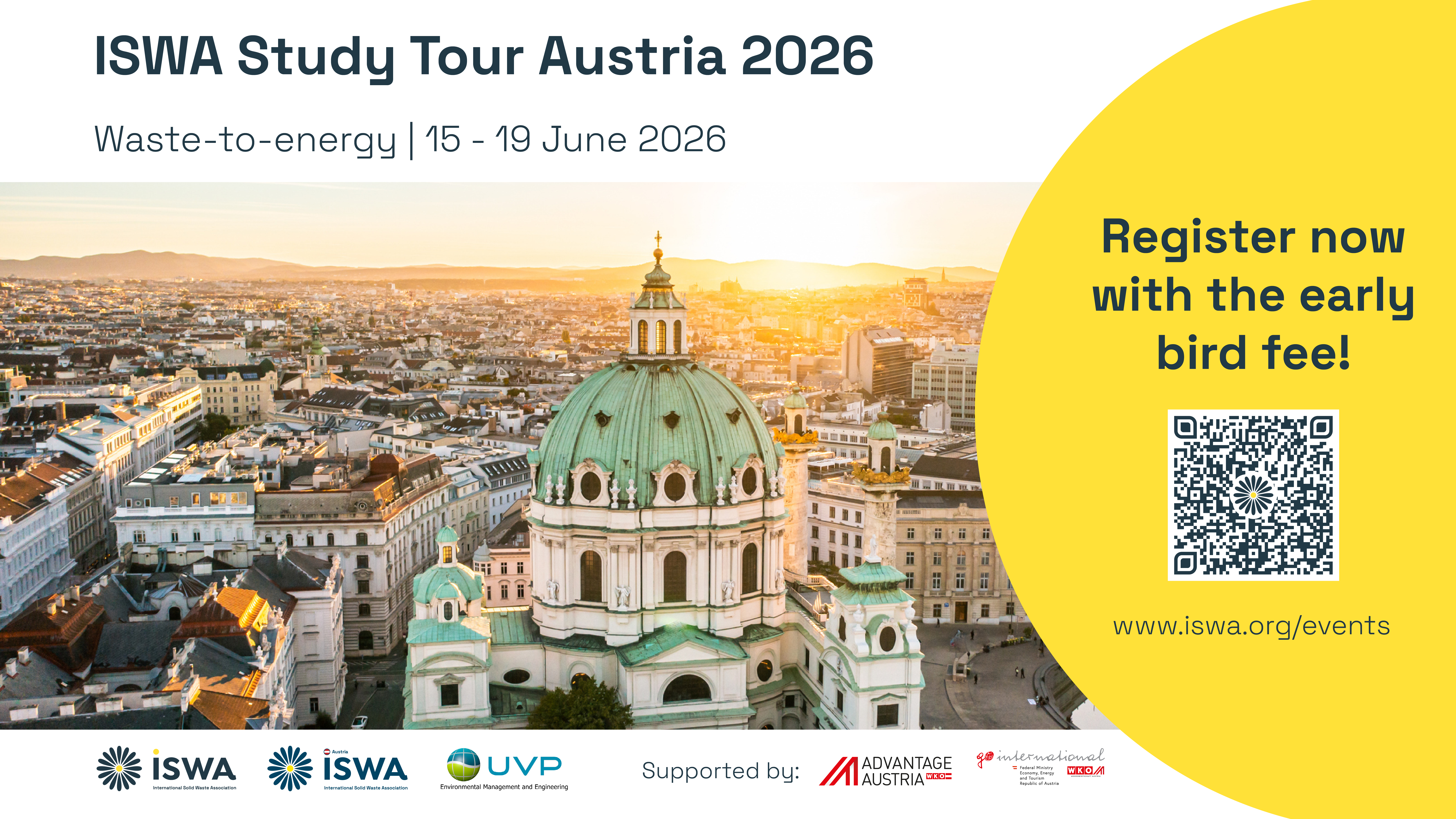
The goal of the ISWA Austria Study Tour, held in June this year, is to train the participants about the role and set-up of waste-to-energy systems in an integrated waste management system. Besides theory lectures, participants will also have the opportunity to visit actual treatment facilities and their operators to discuss relevant topics in setting up sound waste management systems.
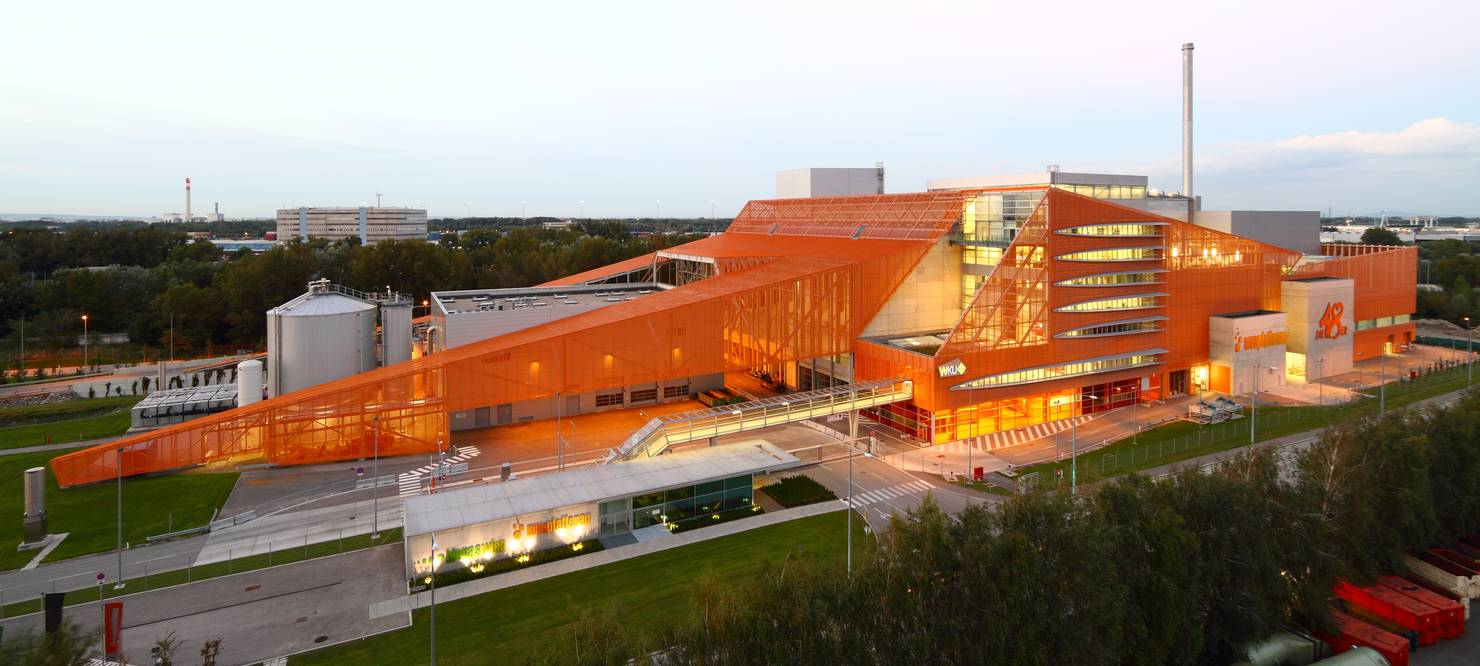
Copyright: MA 48
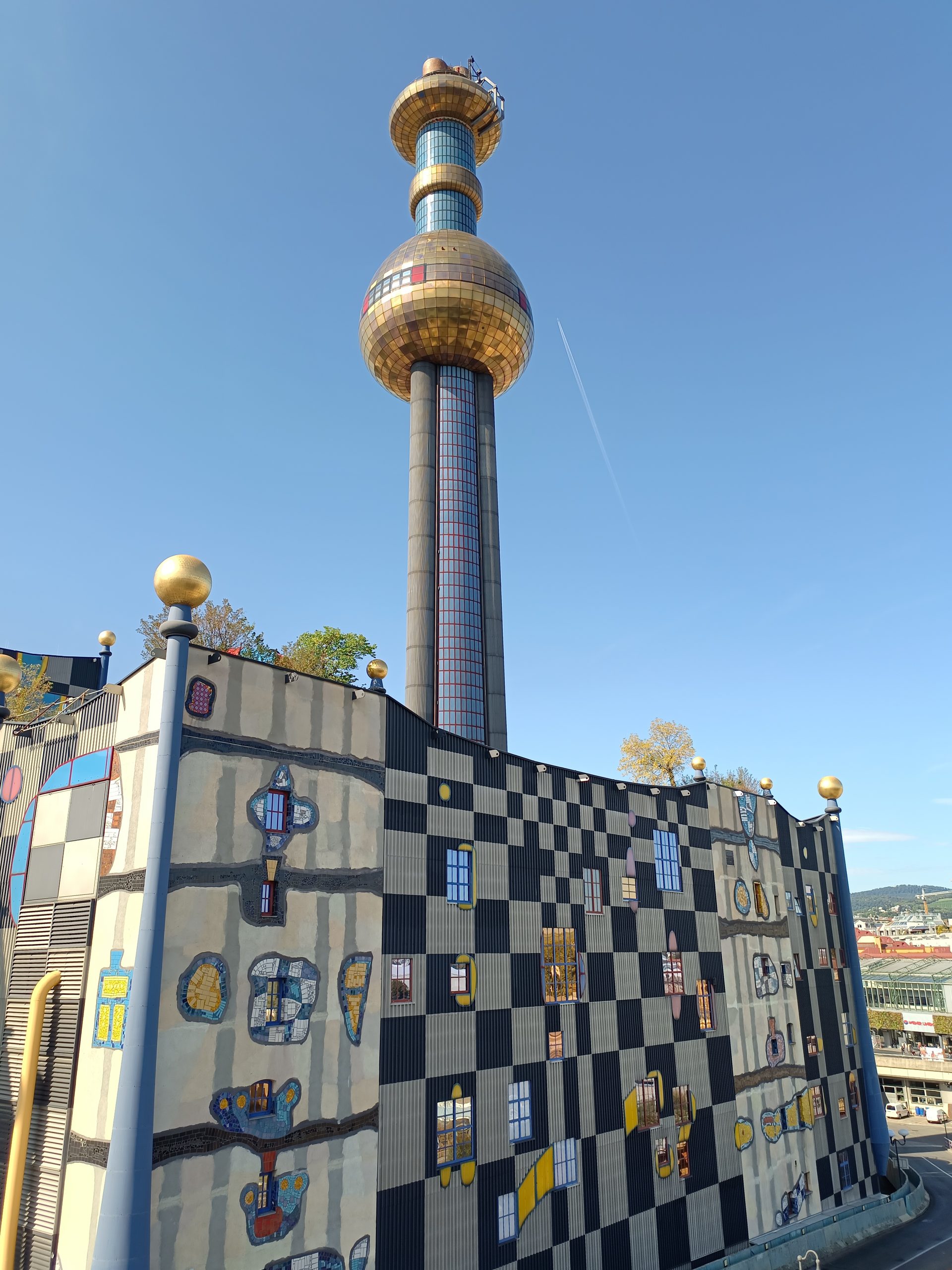
Copyright: UVP GmbH
Five benefits of attending this unique practice-oriented study tour:
1. Learn from experts
Seminars led by senior specialists and plant managers.
2. Access behind the scenes
Visit state-of-the-art Waste-to-Energy plants and facilities.
3. Gain practical experience
Build relevant knowledge and understand key operational details.
4. Apply theory to your context
Discuss your specific context and receive expert input.
5. Grow your network
Exchange experiences and connect with professionals in the field.
The final registration deadline is 30 April 2026, and a limited number of places are still available. If the study tour is not directly relevant to you, it may be a valuable capacity-building opportunity for a colleague, or something you could share within your organisation. ISWA also offers scholarship opportunities to help make the study tour accessible to a broader community.