This blog is part of a series featuring the 2026 YPG Mentorship Programme participants and their valuable learnings in the field of solid waste management and the circular economy.
Mentee: Munara Moldobaeva
Mentor: Mpendulo Ginindza
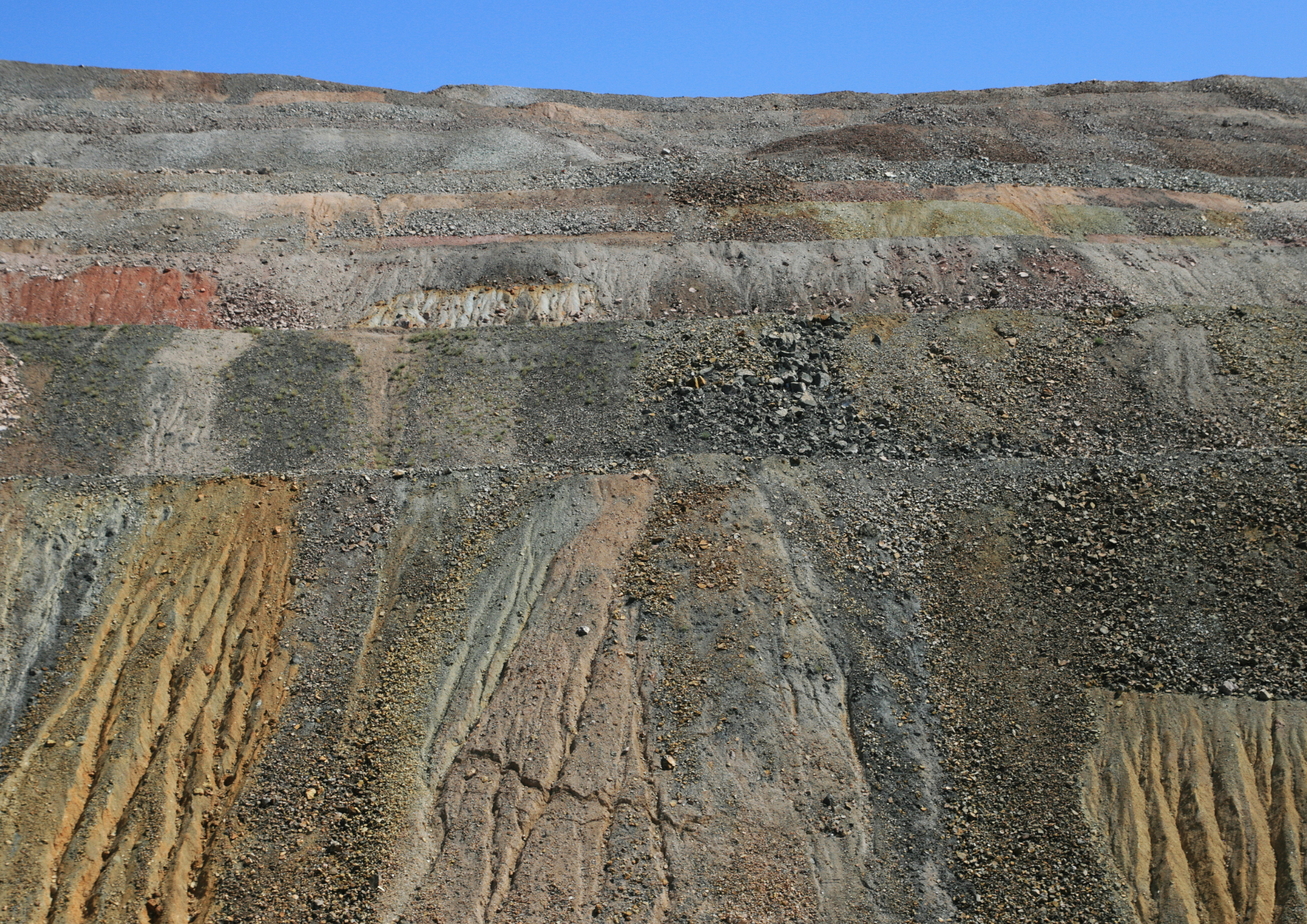
The countries of Central Asia share not only interconnected river systems and mountain ecosystems, but also a legacy of mining activities that has left behind numerous tailings management facilities (TMFs), many dating back to the Soviet period. These facilities store waste materials generated during ore processing and are designed to contain potentially hazardous substances over the long term. In practice, however, many TMFs across the region are in deteriorating condition, characterised by an ageing infrastructure, limited monitoring, and insufficient maintenance. Climate change is intensifying these vulnerabilities. Rising temperatures, shifting precipitation patterns, and more frequent extreme weather events, particularly heavy rainfall and flooding that placing additional stress on already fragile structures, increasing the risks of erosion, overtopping, and structural instability, and raising the likelihood of failures and the release of contaminants into surrounding environments.
At the same time, mining remains a key component of economic development in Central Asia, contributing significantly to employment, export revenues, and national growth. Increasing global demand for minerals continues to drive expansion across the region, leading to higher volumes of tailings and the development of new facilities. Where regulatory systems and long-term risk management remain limited, this expansion further amplifies existing environmental and safety risks. A critical aspect of these risks is their transboundary nature. Many TMFs are located within shared river basins, including the Syr Darya, meaning that a failure in one country can have downstream consequences for others. Contaminants released into river systems can affect water quality, ecosystems, and communities across national borders, making TMF safety not only a national issue but a regional one requiring coordinated approaches to environmental protection and risk management.
The implications of failure extend beyond environmental damage. Emergency response, clean-up operations, displacement of communities, and long-term rehabilitation create substantial economic burdens, often exceeding the cost of preventive measures. Addressing these challenges requires a more proactive and integrated approach, including strengthening monitoring systems, upgrading ageing infrastructure, and incorporating climate considerations into design and risk assessments. Governance must be reinforced through stronger regulatory frameworks, consistent enforcement, and improved institutional capacity, while regional cooperation plays a central role through shared data, joint assessments, and coordinated emergency preparedness.
In conclusion, climate change is accelerating the risks associated with tailings management in Central Asia. The combination of ageing infrastructure, expanding mining activity, and increasingly variable climatic conditions creates a growing challenge for the region. For policymakers, operators, and practitioners, the priority is clear: integrate climate risk into TMF design and operation, invest in monitoring and early warning systems, and strengthen cross-border cooperation. These steps are essential not only to prevent failures but to ensure long-term environmental safety, economic stability, and regional resilience.