This blog is part of a series featuring the 2026 YPG Mentorship Programme participants and their valuable learnings in the field of solid waste management and the circular economy.
Mentee: Nana Adoma Nkansa-Gyamfi
Mentor: Haniyeh Jalalipour
Summer’s finally here, time to ditch the trench coats and step into sunshine, beach days, and effortless summer style. For those coming from colder climates, it’s the perfect excuse to escape somewhere warm and coastal. Enter Malta: a small island in southern Europe, covering just 316 km². Despite its size, it’s one of Europe’s most densely populated countries (1700 people per square meter) and a major tourist hotspot, known for its terraced landscapes and crystal-clear beaches.
But while tourism brings lots of benefits such as, more job opportunities and a boost to the economy, it also comes with a downside: more waste. In fact, tourists in Malta generate about twice as much daily waste as local residents, making inbound tourism one of the biggest drivers of waste on the island. According to the National Statistical Office, municipal waste generation in 2024 reached 574 kg per capita when accounting for the tourist population, an increase of 2.1% from 2023.
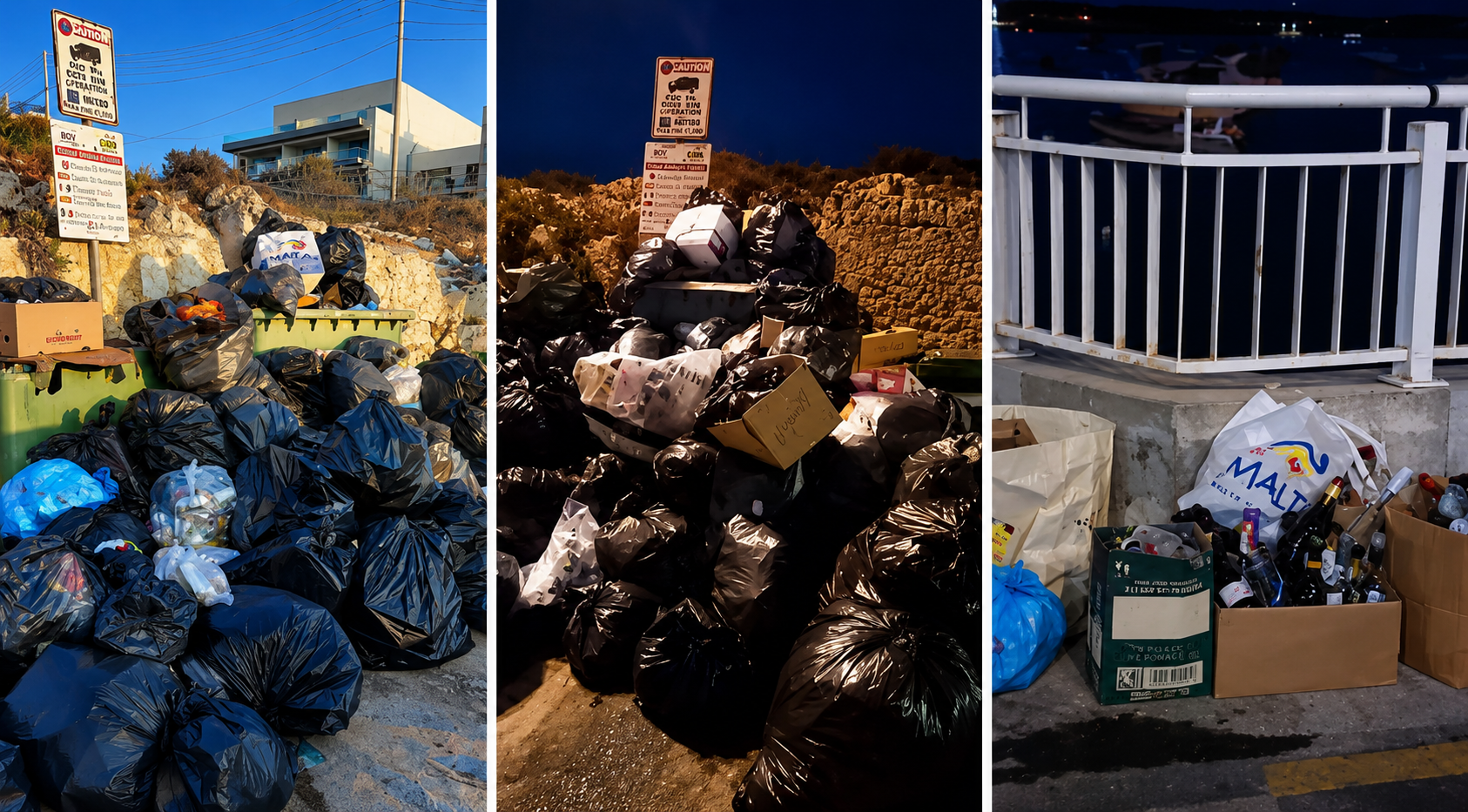
The link between tourism and waste is hard to ignore. For instance, pre-pandemic, specifically in 2019, Malta recorded 2.7 million tourist arrivals alongside 351,353 tonnes of municipal solid waste. When the pandemic hit, tourism dropped sharply by 76 per cent, and waste generation followed, decreasing by 5.6% to 331,553 tonnes.
Fast forward to 2024, and both numbers are back up; waste hit a record 353,525 tonnes, rising by 6.1% after a 19.5 per cent surge in tourist arrivals. The major composition of waste generated by the tourism sector is food waste (0.48kg per person) and single-use plastics.
One type of waste that has seen a noticeable spike in is bio-waste. In 2024, it was one of the fastest-growing categories, with garden and park waste increasing by 5,910 tonnes and kitchen and canteen waste rising by 5,826 tonnes compared to the previous year.
To tackle this, Malta has rolled out several Waste Management Plans over the years. The first, covering 2014–2020, aimed to move away from landfilling and focus more on waste reduction and source separation, and it achieved 79 per cent of its targets.
One standout success from that plan was the nationwide door-to-door organic waste collection system, which encouraged households to separate their organic waste. Back in 2016, the government also invested in a Mechanical and Biological Treatment facility capable of processing 152,000 tonnes of waste annually. Around 39,000 tonnes of that were set to be treated through anaerobic digestion, generating roughly 9 gigawatt-hours of electricity each year: enough to power about 2,000 Maltese homes.
Building on that progress, a new plan for 2021–2030 is already underway. One major step was introduced in 2023: mandatory source separation of waste across all sectors. Three types of bags: white, grey, and black are used for the collection of organic, recyclable and municipal waste, respectively. Private waste management operators collect these wastes from the curbside of residential apartments. The private waste operators are managed by the Regional councils. Due to the biodegradation of the organic waste, it is collected three times a week, the recyclable waste once a week and the black bag, twice a week. Collection of waste from households is free of charge, while waste skips from businesses pay a small fee to deposit the waste at the Maghtab facility. The mandatory separation has made a real difference; organic waste once made up around 41% of mixed municipal waste in 2017, but that figure has dropped to about 20% by 2025.
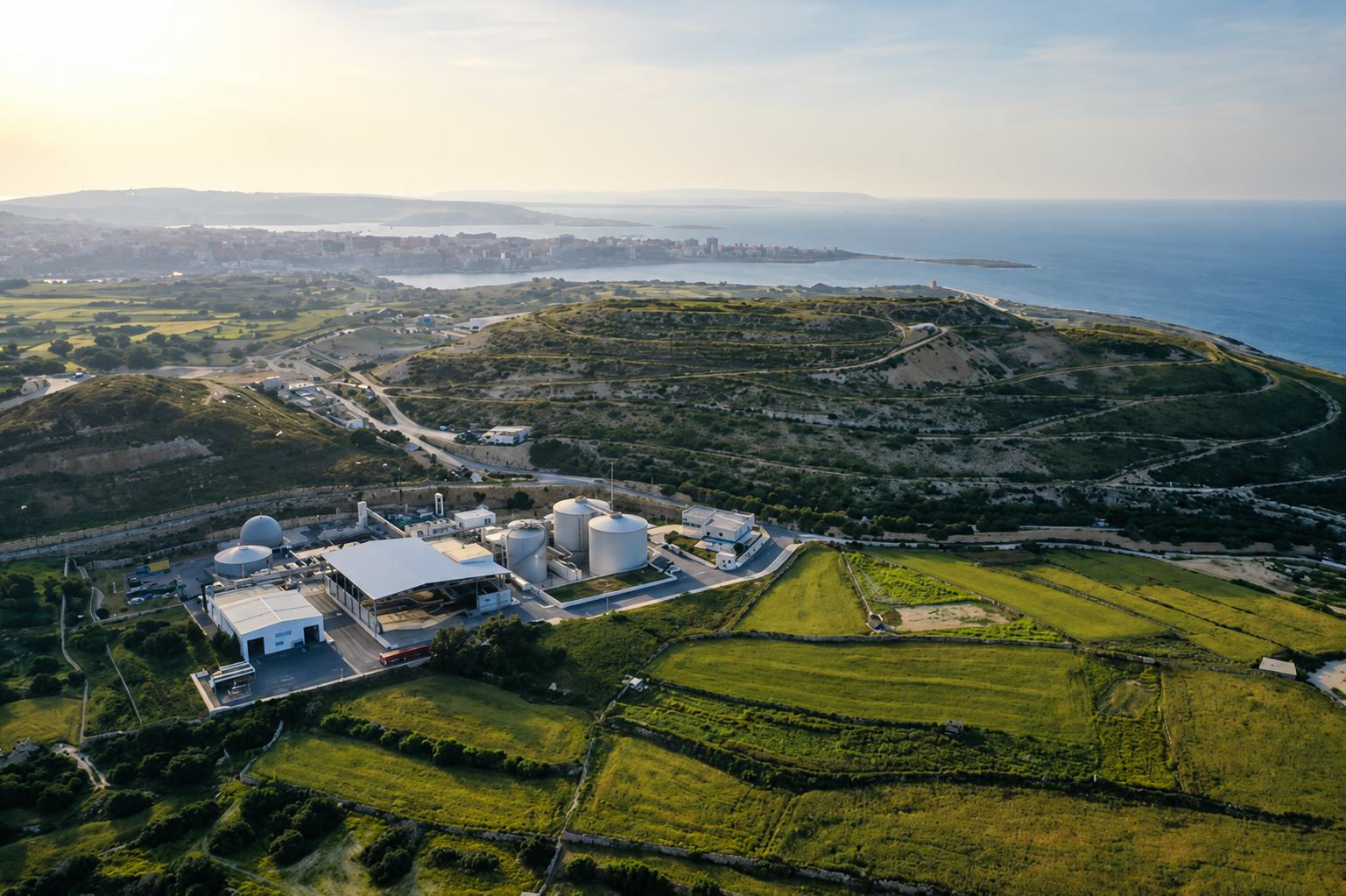
Looking ahead, the government is planning to build a new Organic Processing Plant that will be able to treat 74 kilotonnes of source-separated organic waste, helping to keep up with growing demand. Still, there’s a catch. Even with all these measures in place, the summer rush, especially in peak months like August, puts the system under pressure. More tourists mean more waste, and not everyone sticks to the rules, particularly when it comes to separating waste properly. This proves that managing waste sustainably isn’t just about infrastructure; it also depends on awareness and cooperation.
While the government invests in infrastructure, it has also rolled out the National Tourism Strategy (2021-2030), through which it is presenting hotels and accommodations that manage waste effectively and an Eco-certification. Additionally, the Beverage Container Refund Scheme has also been introduced to capture at least 90% of plastic and metal beverages, to boost recycling rates. The EU LIFE FOSTER Project, which focuses on training vocational education and training students and professionals to reduce waste by at least 51 %, is also being rolled out to tackle food waste from the hospitality industry.
Despite its small size and high population density, Malta has made notable progress in managing tourism-related waste through policy, infrastructure, and innovation. However, the continued rise in tourist arrivals and waste generation highlights an ongoing challenge that points to the fact that building infrastructure alone is not enough. The effectiveness of Malta’s waste management system ultimately depends on consistent participation from tourists, businesses and residents at large. As such, Malta’s experience demonstrates that sustainable tourism requires not only investment, but also behavioural change; an important lesson for other island destinations facing similar pressures.