

Marc Tijhuis
Managing Director, ISWA
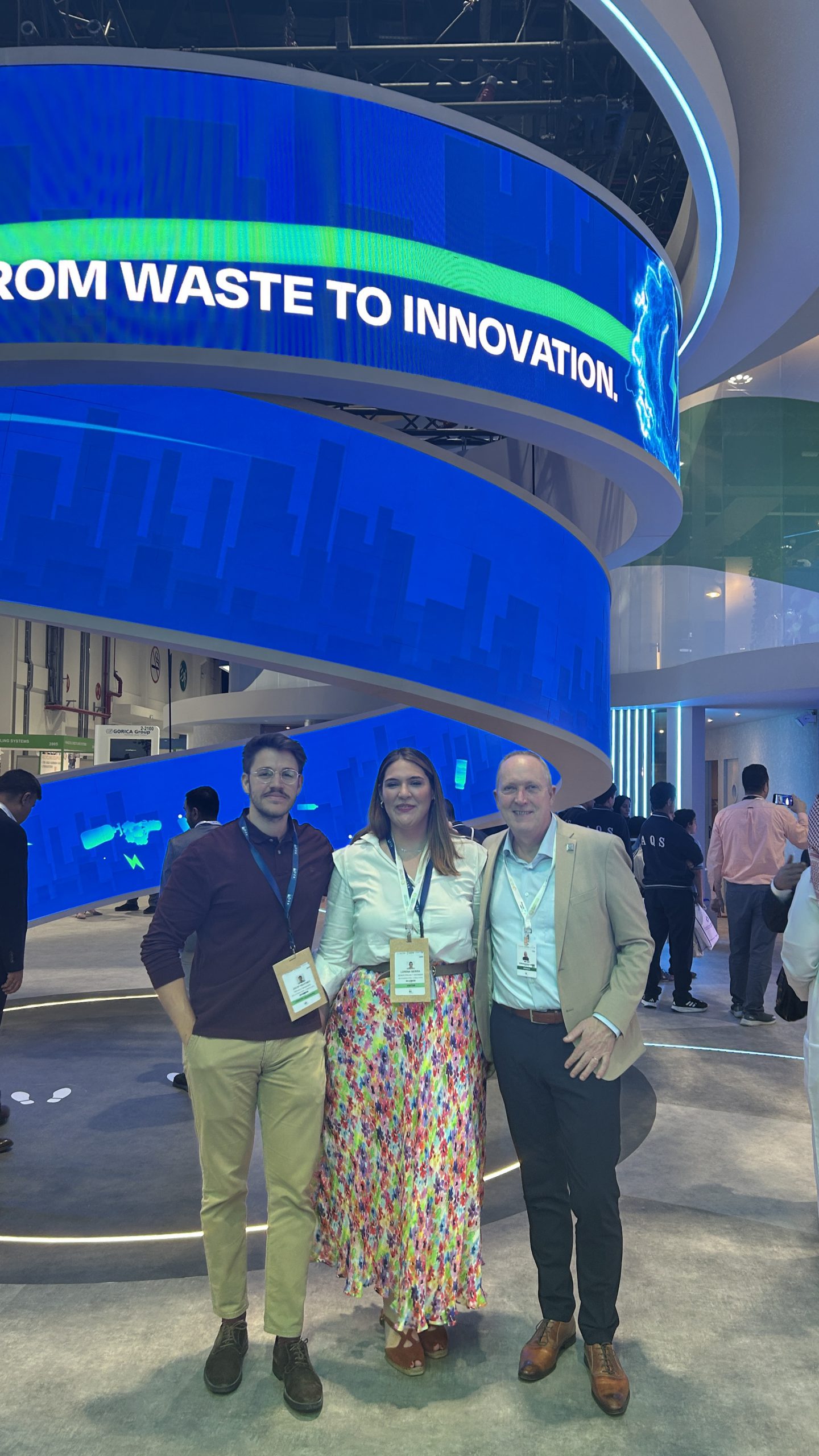
Returning to the World Future Energy Summit and EcoWaste in Abu Dhabi after three years was both a privilege and an opportunity to represent the International Solid Waste Association again.
It gave me the opportunity to meet with our (national & board) members, discuss the formation of a regional chapter and explore diverse interlinking opportunities for our members in the region itself and abroad.
ISWA participated in a panel discussion focused on the 2025 Nationally Determined Contributions (NDCs) updates. The panel provided a platform to delve into the role of waste management and circularity in shaping a low-carbon future. Being part of this panel perfectly fits in our global campaigning towards COP30 in Belem Brazil where the new NDCs will be discussed.
The discussions were timely, following the 2023 Global Stocktake, which underscored the urgent need for more ambitious climate actions. The Stocktake highlighted the widening gap between current commitments and the emission reductions required to meet the Paris Agreement’s targets. It’s clear that enhanced NDCs are essential. In this blog some key (panel) reflections and actionable considerations for integrating waste management and circular economy principles into these climate strategies:
Aligning NDCs with Net-Zero Commitments
Many countries have announced mid-term net-zero targets, yet these ambitions often remain disconnected from their NDCs. For meaningful progress, nations must ensure their NDCs are closely aligned with long-term net-zero goals. Waste management policies and circular economy principles offer practical pathways to bridge this gap, enabling reductions in greenhouse gas emissions while fostering sustainable economic growth.

The Waste Sector’s Potential in Methane Reduction
Methane emissions from the decomposition of organic waste in landfills and open dumps account for nearly 20% of global methane emissions. Addressing this “low-hanging fruit” is a critical opportunity. Policies promoting organic waste diversion, enhanced composting, and improved landfill management can significantly reduce these emissions and should feature prominently in updated NDCs.

Promoting Waste Prevention and EPR Policies
Extended Producer Responsibility (EPR) frameworks and designs prioritizing recyclability are pivotal in driving innovation and reducing waste. However, the most effective strategy remains waste prevention. Setting ambitious prevention targets ensures that waste generation is minimized, reducing the environmental burden and fostering a circular economy.
Policy Commitment and Social Recognition
Waste management must be recognized as one of the cornerstones of climate action. Politicians at all levels must commit to supporting continuous improvements in waste management systems. This requires financial investments, capacity building, and a cultural shift that values waste management as a socially and environmentally significant sector.
Context-Specific Solutions
Effective NDCs must account for social, political, economic, legal, and technical contexts. Tailored strategies that address local challenges and opportunities are more likely to succeed. For example, urban areas may focus on advanced recycling technologies, while rural regions could prioritize composting and community-led waste initiatives.
A Collaborative Path Forward
The intersection of waste management and climate action is an underutilized but critical lever in achieving global climate goals. The 2025 NDC updates present an opportunity to embed circular economy principles and waste management solutions into national strategies, driving meaningful progress toward a low-carbon future.
As the conversation around NDCs continues, ISWA remains committed to advocating for the integration of sustainable waste management and circularity. Together, these approaches can pave the way for a more resilient and environmentally sound future.