Building sustainable cities begins beneath our feet: with healthy soils.🌱On the occasion of International Mother Earth Day, the Biological Treatment of Waste Working Group took a closer look at why this connection matters.
Soil is a vital yet fragile ecosystem that is currently threatened worldwide by erosion and the decline in organic matter content. To preserve this resource and ensure sustainable food production over the long term, it is essential to close the nutrient cycle through integrated organic waste management.
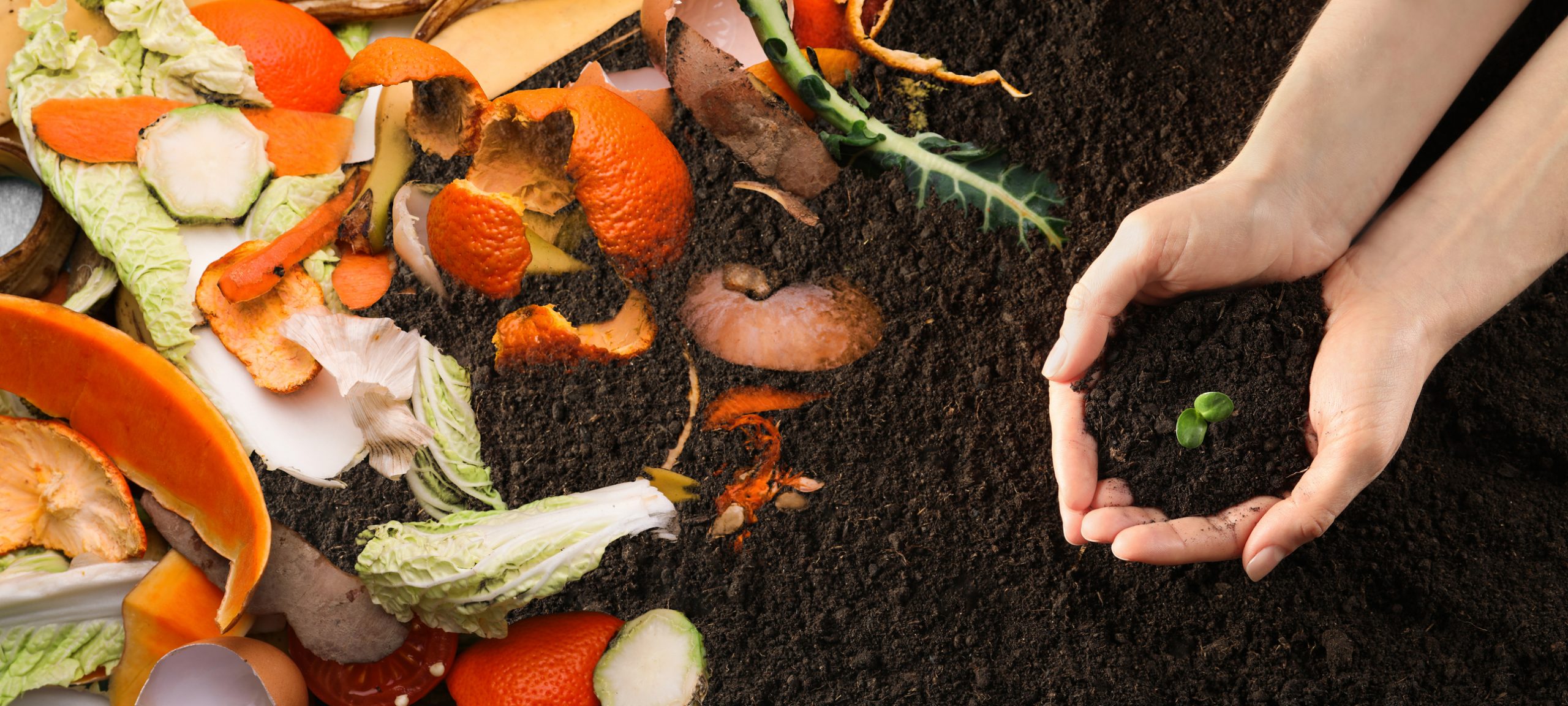
The cornerstone of this process is the high-quality separate collection of organic waste; such waste accounts for an average of 52% of all municipal solid waste, and globally, over 1.3 billion tons are generated annually. Only an accurate, separate collection of OW allows for the production of high-quality compost, minimising the presence of physical impurities such as plastic or glass and ensuring that there is no accumulation of heavy metals in agricultural soils. The compost obtained in this way is not merely a substitute for fertilisers, but a multifunctional soil amendment that restores soil organic matter (SOM) and soil organic carbon (SOC).
Authors: Haniyeh Jalalipour & Marco Ricci, Chairs of ISWA’s Working Group on Biological Treatment of Waste
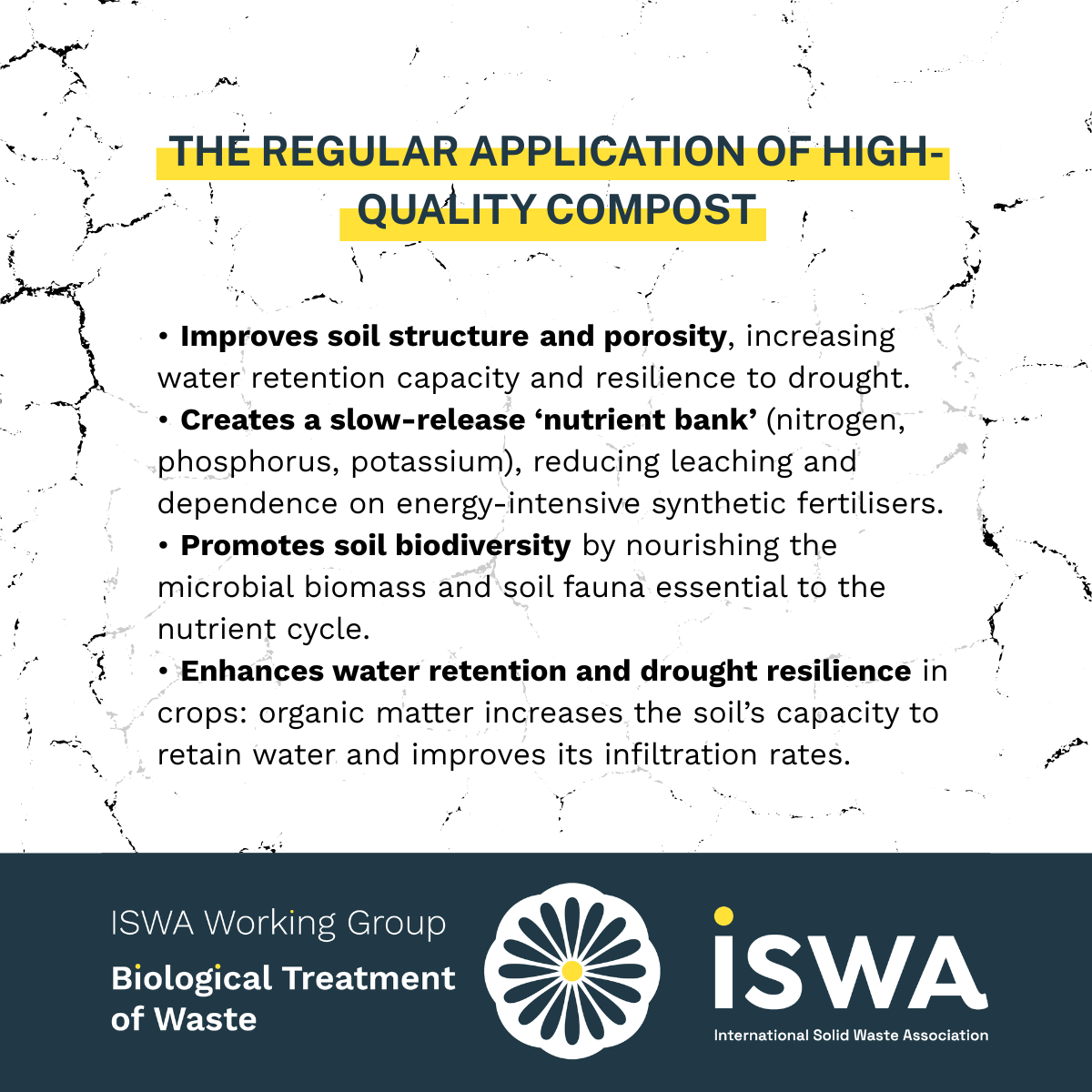
Discover the many benefits of regular applications of high-quality compost.
Currently, such best-practice management models are primarily established in cities and urban areas in high-income countries; however, it is imperative to replicate these practices globally to drastically reduce greenhouse gas (GHG) emissions from the uncontrolled disposal of organic waste in landfills and to bring compost back to soil.
In this context, ISWA’s “Soils” project has made a fundamental contribution to disseminating these concepts among planners in the MSW management sector. The project has synthesised global knowledge on the fate of recycled carbon and the benefits of compost and digestate for the soil in a dedicated webinar. The work consists of four highly relevant technical documents that ISWA members can consult on the ISWA website to explore the aforementioned topics in greater depth.
Protecting the soil means safeguarding our food security and the resilience of ecosystems. And this protection starts with us, through the daily separation of our household organic waste and proper recycling.
ISWA’s Soils Project
Click on the images below to read all four reports.