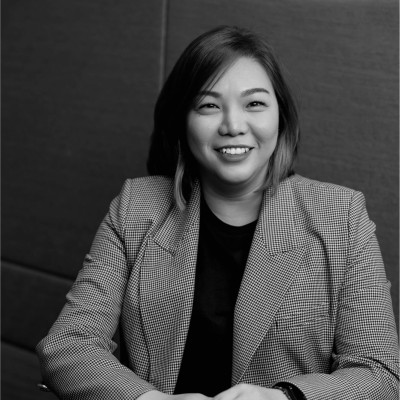
Fang Wei Goh
Executive Director of the Waste Management and Recycling Association of Singapore (WMRAS)
Tell us about yourself.
I am the Executive Director of the Waste Management and Recycling Association of Singapore (WMRAS). I have been in the environmental services and waste management sector for more than 10 years, working closely with industry players, government agencies and international partners. My background has been quite diverse, and I think that has helped me look at challenges from different perspectives. Even after all these years, I still find myself learning something new every day, and that’s one of the things I enjoy most about this industry.
What inspired you/your organisation to join ISWA, and how has ISWA helped in your career?
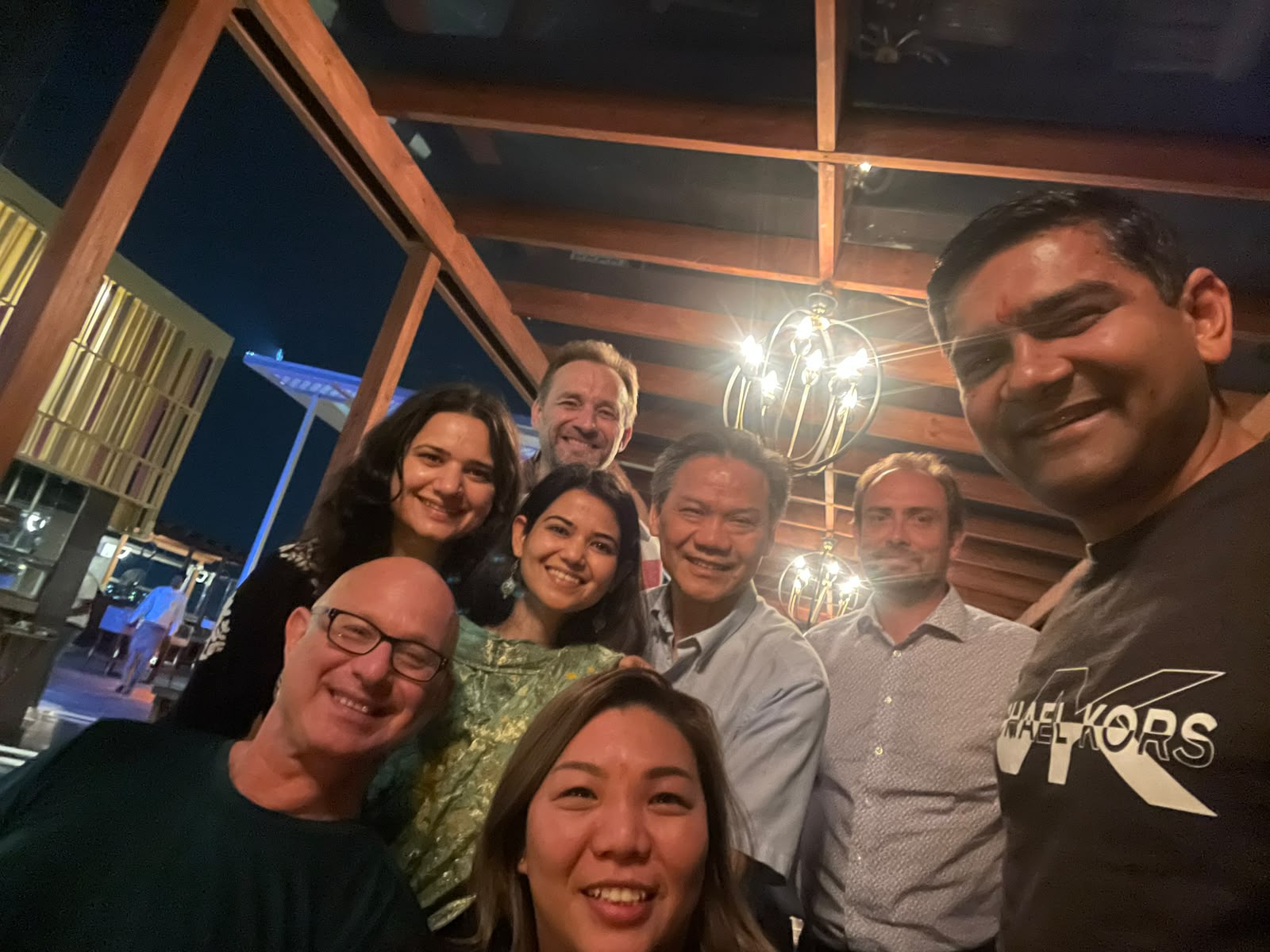
As a National Member, we believe that real progress comes from working together. Waste management is a global challenge, and no single country has all the answers. ISWA provides a platform for sharing knowledge, experiences and best practices from around the world. On a personal level, it has also allowed me to build many meaningful friendships and gain a much broader global perspective, which has been invaluable in my career.
What are the biggest projects/initiatives in waste management that your organisation has achieved so far?
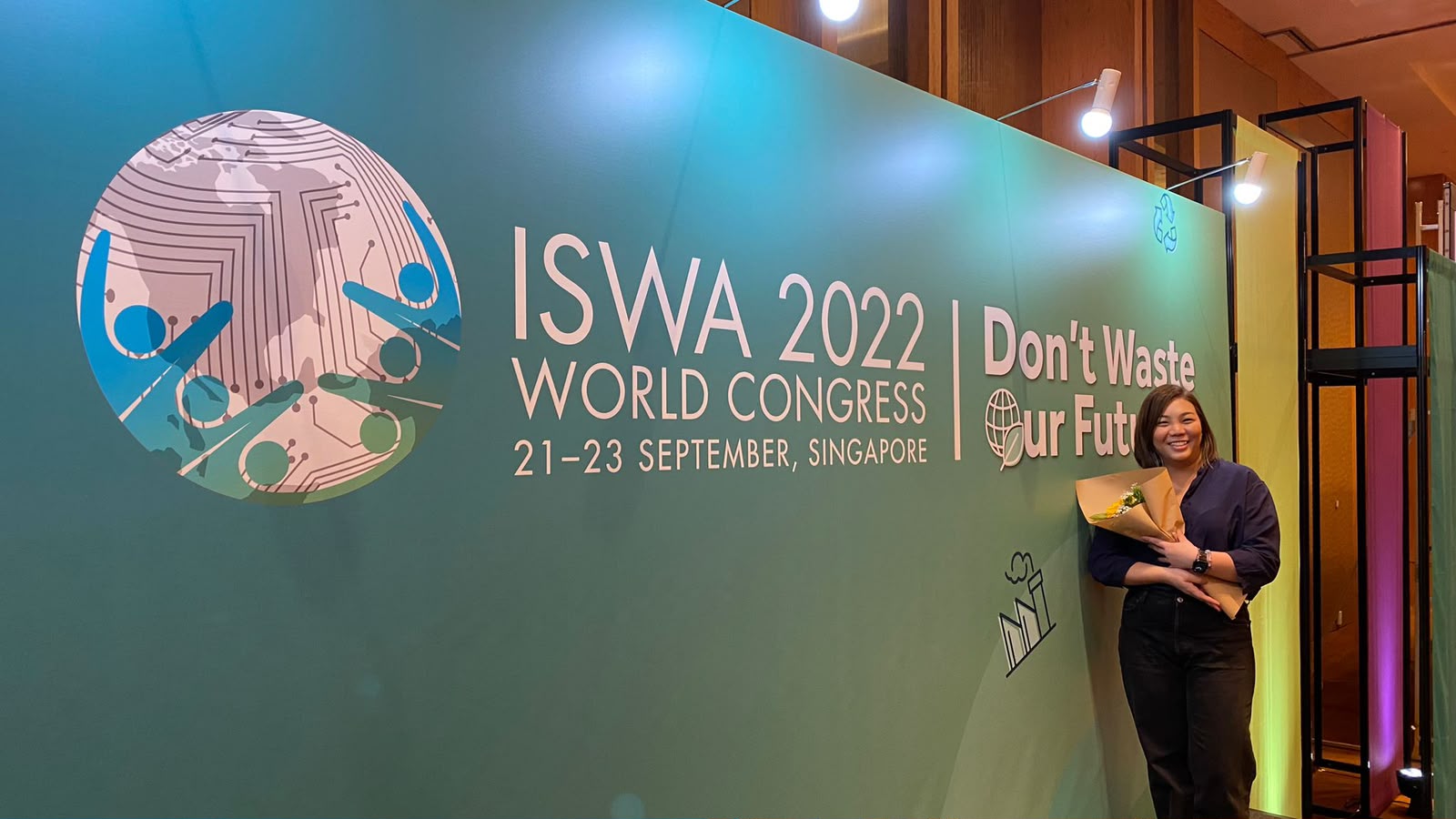
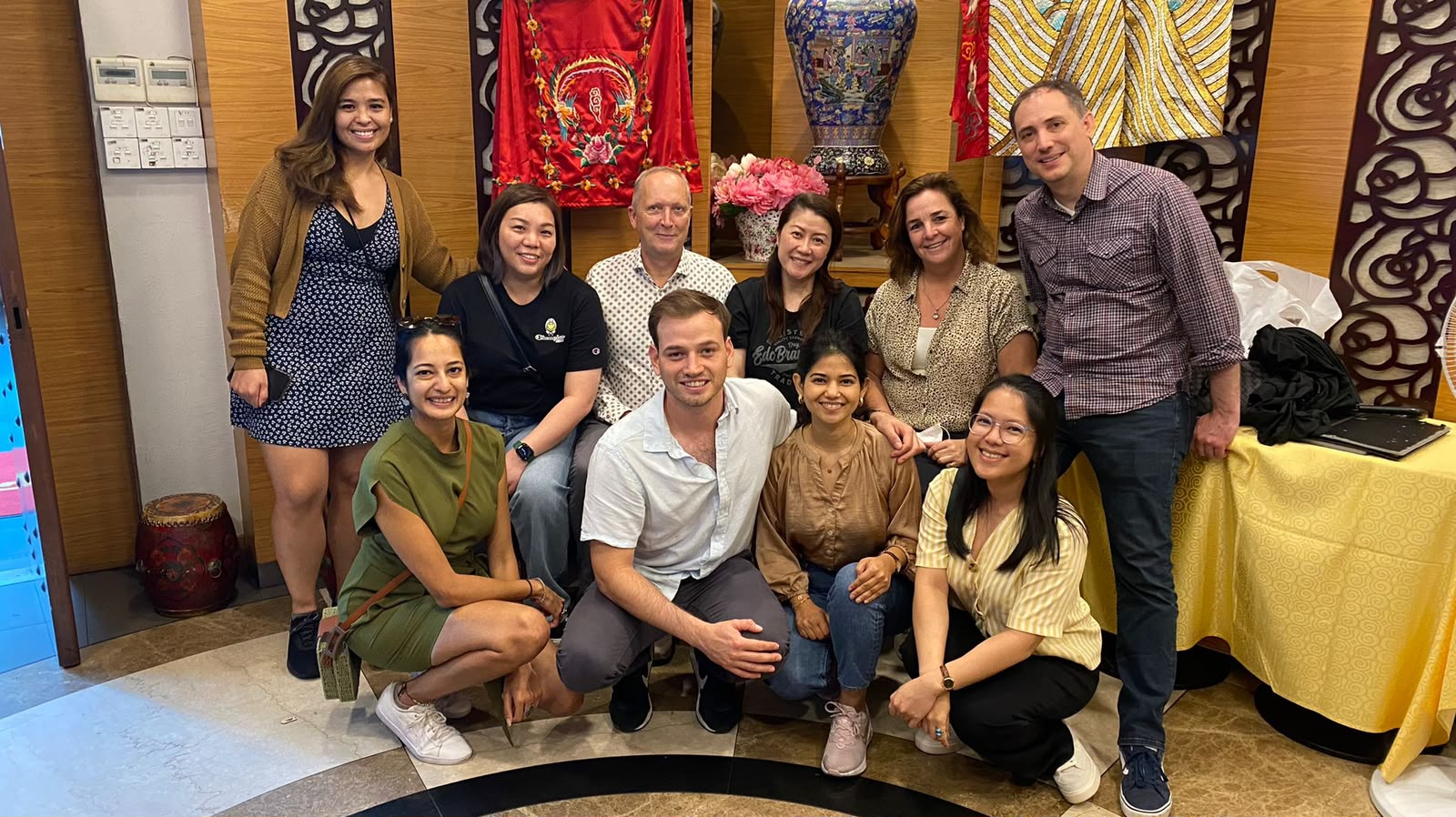
One of our proudest achievements was organising the ISWA World Congress in Singapore in 2022, shortly after the COVID-19 pandemic. Beyond our regular industry initiatives, bringing together the global waste management community during such an uncertain period was both exciting and incredibly challenging. Looking back, it was probably the most nerve-racking project I’ve been involved in, but also one of the most rewarding.
What are your biggest challenges so far?
One of the biggest challenges is balancing the different expectations across the industry. Everyone wants to move towards greater sustainability, but businesses also need practical and commercially viable solutions. Bringing together government, industry, technology providers and end users to find common ground is never easy, but it’s also what makes the work meaningful.
What trends in waste management excite you the most?
Policy development always excites me the most. Well-designed policies create the momentum for businesses to adopt better waste solutions while encouraging existing service providers to innovate and think outside the box. Good policies don’t just regulate – they can accelerate positive change across the entire industry.
What role do you see ISWA play in driving sustainable practices globally?
As an international organisation, ISWA has a unique role in connecting people, sharing knowledge and building capabilities across countries. I hope ISWA continues to be even more active in education, knowledge exchange and helping members learn from one another so that successful solutions can be adapted and implemented globally.
How can ISWA members collaborate more effectively to address shared challenges?
As an international organisation, ISWA has a unique role in connecting people, sharing knowledge and building capabilities across countries. I hope ISWA continues to be even more active in education, knowledge exchange and helping members learn from one another so that successful solutions can be adapted and implemented globally.
ISWA has an active Young Professionals Group as a special task force. What would be your advice to them, looking to make a difference in the waste sector?
Stay curious and keep an open mind. The waste sector is evolving rapidly, and many of the best ideas come from questioning existing practices and learning from different industries. Don’t be afraid to ask questions, explore new technologies and build connections across countries = you’ll be surprised how much you can learn from others.