
Plastic Treaty Task Force
ISWA’s latest report: Global Initiatives to Beat Plastic Pollution
Mission and Goals
- Contribute to a clear, comprehensive and ambitious plastic pollution treaty
- Establish dialogue and collaboration with other actors in the field of circular economy
- Contribute to positioning ISWA as a global player with knowledge of solutions related to the triple planetary crisis
- Support the waste and resources management sector to be a key enabler in implementing the practical actions of the treaty.
- Nurture and incentivise engagement of ISWA members in the process and outcomes. Advocating for a life cycle approach as a guiding principle.
Project objectives
-
Coordinate ISWA’s role as a stakeholder in the treaty negotiations.
-
Activating ISWA’s network to synthetize ISWAs policy recommendations and experiences on the on the key elements of the treaty.
-
Establish a dialogue between waste and resource management actors and engage with other stakeholders.
-
Initiate awareness raising, learning and preparations among ISWA’s members for the treaty implementation.
-
Communicate and share ISWA’s knowledge base and positions in the process to ISWA members and external audiences.
Background
In March 2022, during the United Nations Environmental Assembly (UNEA), UN Member States agreed unanimously on a resolution with the mandate to negotiate a legally binding global instrument to end plastic pollution.
Following the initiative, they have established a special Intergovernmental Negotiating Committee (INC) which will be responsible for negotiating and implementing a legally binding agreement by 2024. The committee will gather twice a year.
The UNEA resolution includes specific references to the circular economy, life-cycle approach, sustainable production, and consumption. ISWA, as the global waste management and circular economy organisation is therefore an essential voice in the process of establishing and implementing the agreement. An instrument such as the plastic treaty will create a baseline for waste management, recycling and design practices for plastic products. It is also likely that it will push even further and drive forward the circular economy. This scenario results in a great opportunity for ISWA to spearhead the waste management sector’s advocacy efforts in this process to increase its effectiveness and success
ISWA’S ACTIVE CONTRIBUTION
ISWA is proud to be actively involved in the INC process by following the sessions of the intergovernmental negotiating committee that will define the structure and instruments of the treaty.
Following ISWA’s position paper on Plastics Pollution, issued as a contribution to UNEA 5.2 in February 2022, ISWA prepared key messages for each meeting, but will also follow up and engage in the discussion throughout the whole negotiation process until the end of 2024.
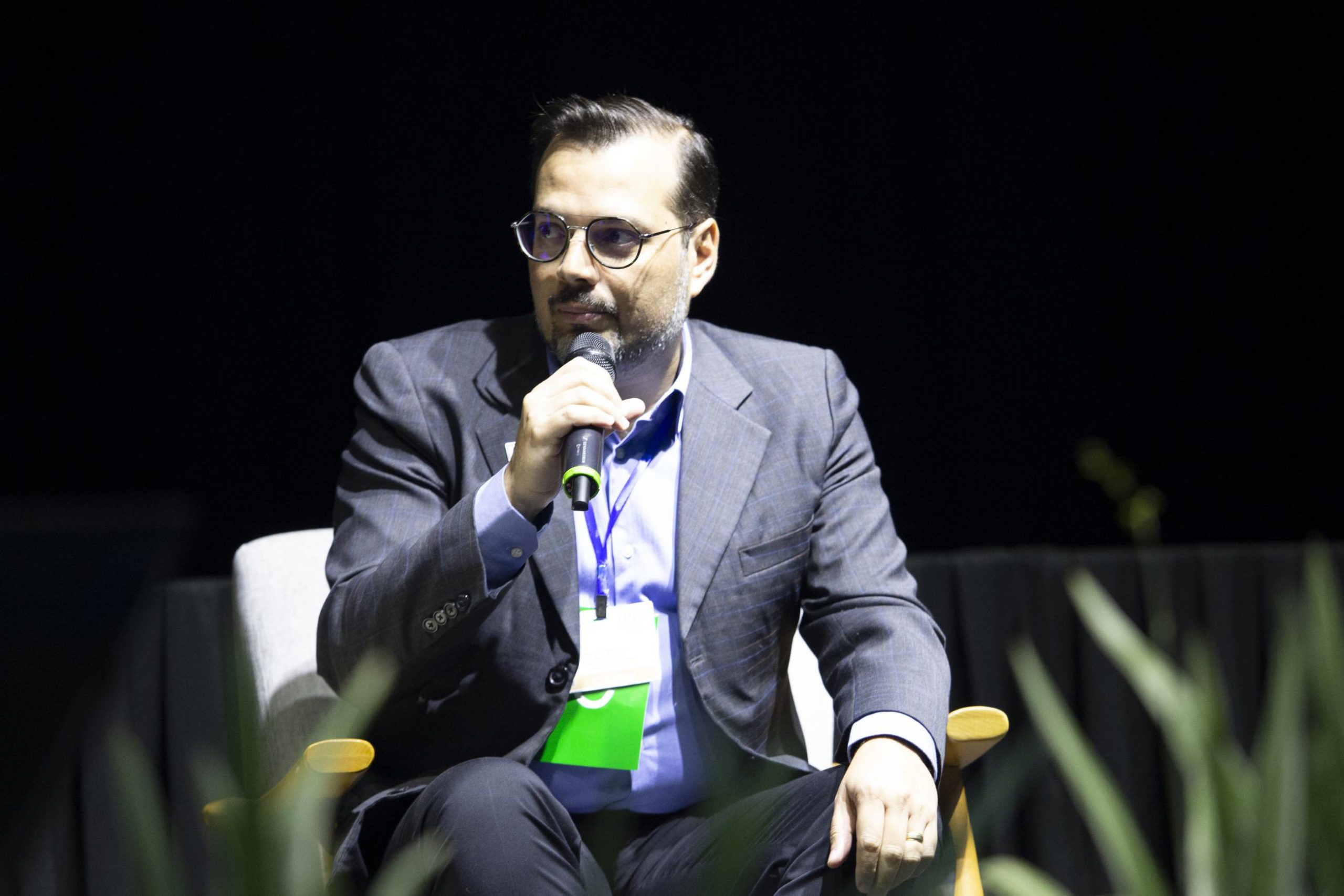
Carlos Silva Filho representing ISWA at the Multi-Stakeholder Forum, in conjunction with the first meeting of the Intergovernmental Negotiating Committee (INC-1) in Punta Del Este, Uruguay
ISWA at INC: Photo Gallery
2022 – present

GET INVOLVED
To aid ISWA’s active participation in defining the treaty, ISWA invites members to join the ISWA Task Force on Plastic Pollution, in one or all of the following ways:
1. Stay informed about the Task Force and the INC process
2. Engage in the Task Force as an active member
3. Sponsor the Task Force financially
Get in touch with ISWA via the button below and let us know how you would like to contribute!
Another way to be actively and instantly involved in ISWA’s contributions to the INC process is by advocating for our submissions and messages with the national focal point in your country. The delegates of each country will be the negotiators in the INC process.
You can find their contact details here, and all relevant files downloadable here.