Pamela da Costa
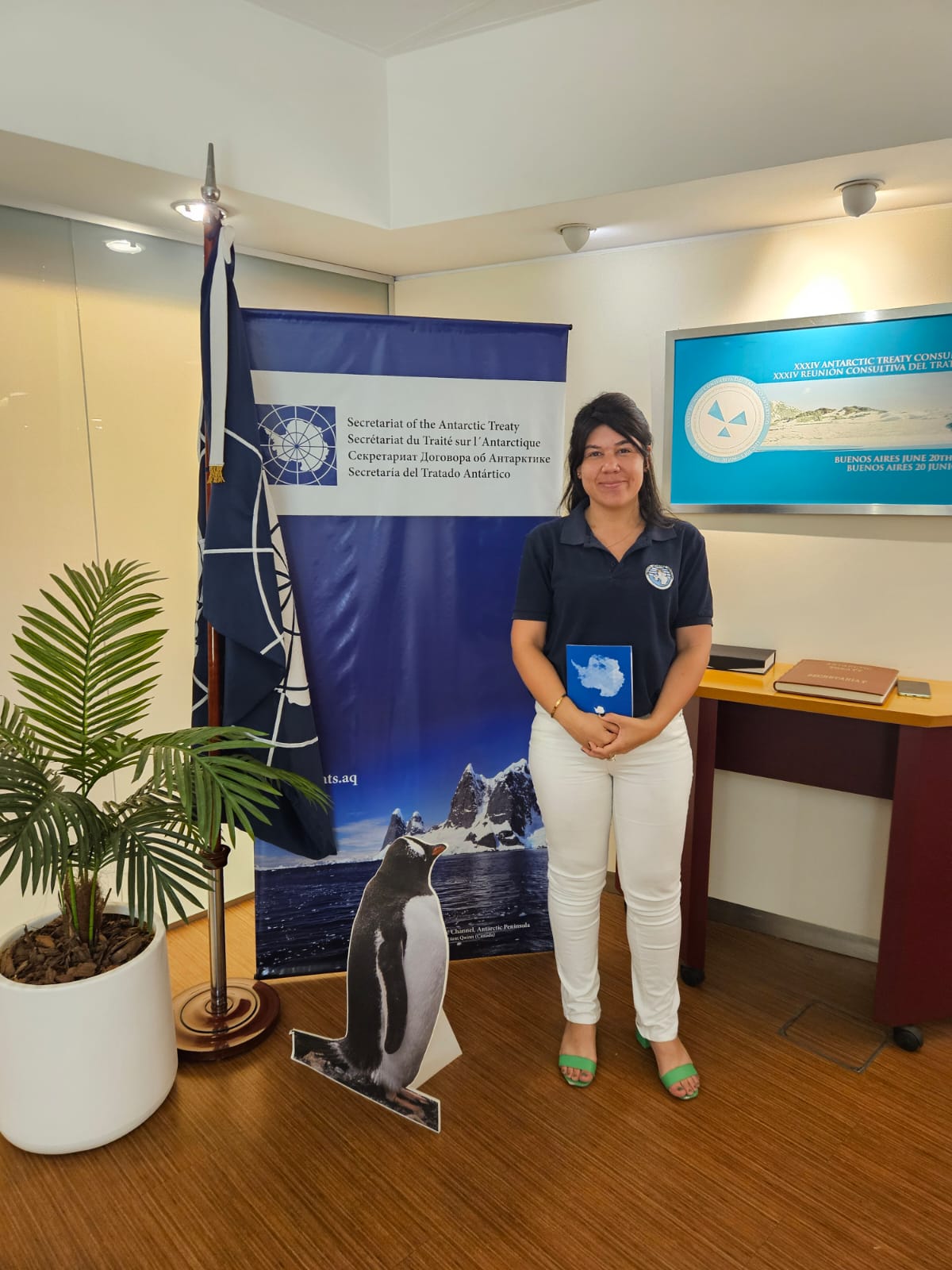
Since 2017, Pamela has been working at the Uruguayan Antarctic Institute. In this context, she has participated in official missions with RCTA-CPA, RAPAL, and Antarctica. She has academic training in International Relations, complemented by specialized studies in scientific diplomacy, polar studies, climate change, foreign policy, and international security, along with an internship at the Antarctic Treaty Secretariat in 2024, which has allowed her to develop specific technical knowledge about the functioning of the System, its negotiation processes, and its international cooperation dynamics. Deeply engaged with Antarctic issues, she seeks to use this topic as a springboard for innovation, promoting actions that generate new research questions. She also works for CEGRU, ISWA’s National Member in Uruguay.
Can waste management practices in Antarctica provide a model of sustainability for extreme environments?
The way societies have managed waste has evolved in response to emerging priorities, and Antarctica is no exception.
Waste management in Antarctica has evolved from a logistical necessity to a global standard for environmental protection. Through the Madrid Protocol and other complementary instruments, the Antarctic Treaty System has managed to converge on shared regulations that prioritise the integrity of fragile ecosystems.
In Antarctica, scientific and logistical activities related to the stations generate different categories of waste that require environmentally controlled management. These include wastewater and domestic sewage, liquid chemical waste, combustible solid waste, non-combustible solid waste, medical and electronic waste, and gaseous emissions associated mainly with the use of fuels and power generation systems. These categories reflect the diversity of waste streams produced in a remote environment, where proper management is essential to minimise environmental impact.
In addition, we must bear in mind that each person is an environmental operator and must respond to reduce the volume of waste. This article analyses the pillars of this model on Antarctic stations and offers elements of judgment on its consideration.
A paradigm of environmental governance.
To understand the current challenges of waste management in Antarctica, it is necessary to look back at the history of human activity on the continent. Before the 1970s, waste generated in Antarctic operations was commonly abandoned, buried, or openly incinerated, as no specific regulations, environmental remediation principles, or shared standards existed to guide proper management practices.
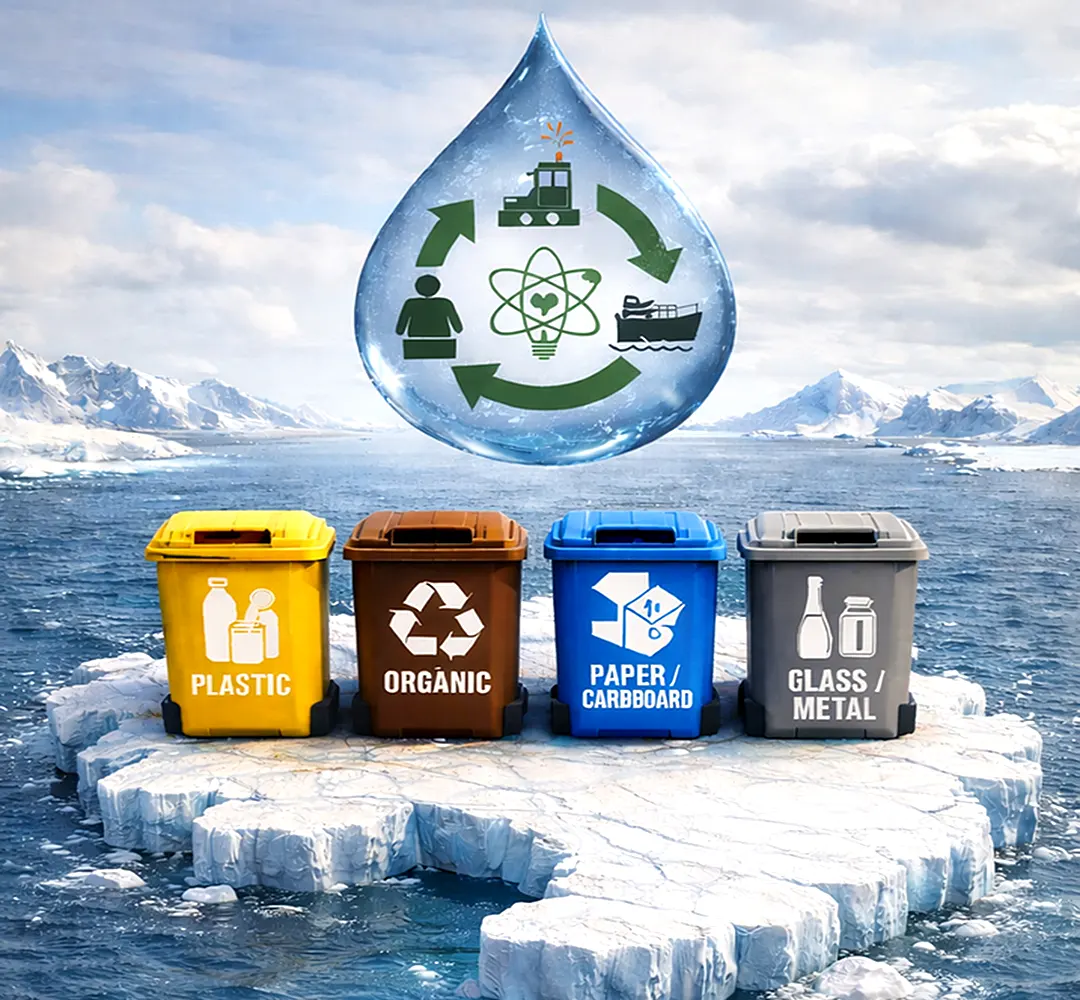
From the 1970s until the adoption of the Madrid Protocol, waste management practices in Antarctica began to evolve gradually, influenced by the guidelines and codes of conduct promoted by SCAR, as well as recommendations developed within the Antarctic Treaty System. Following the entry into force of this international agreement, the regulatory framework became progressively stronger and more binding, incorporating concrete measures such as the prohibition of open-air waste burning, restrictions on the introduction of hazardous materials and certain single-use plastics, and requirements for waste classification, compaction, and removal from the continent to the country of origin.
The mandatory development of waste management plans with the respective environmental assessments and cleanup actions on historically contaminated sites is also part of the comprehensive management process.
In this context, waste management in Antarctica is not only an issue of environmental contamination but also a challenge with potential implications for ecological biosecurity. Organic waste, in particular, may facilitate the aggregation of non-native species and the formation of artificial microhabitats for fungi and bacteria, thereby enabling the unintentional transport of associated organisms that can act as vectors of emerging diseases.
Avian influenza provides a relevant example in this regard. Certain categories of waste, especially organic materials or residues that may attract scavenging birds such as skuas and gulls, known carriers of pathogens, can create ecological points of contact between wildlife, human activity, and waste disposal sites. In this sense, high-quality waste management practices could indirectly reduce interspecies contact and contribute to lowering the risk of pathogen transmission in Antarctic ecosystems.
On the other hand, it should be noted that treatment policies do not always eliminate chemical or pharmaceutical contaminants; we cannot forget non-native species, which often arrive through human activities (cargo, food, clothing, equipment, containers, construction materials). Here, organic waste, cargo and packaging waste, wood, cardboard, textiles, and contaminated sediments can be vectors and hosts.
We must also consider that scientific activity itself is fundamental to the protection of the Antarctic environment; however, at the same time, it depends on tangible processes and elements that generate waste that the system itself must control.
As the first link in the management system, waste reduction must be considered the primary priority.
Minimising human impact in Antarctica requires close coordination between international governance and on-the-ground operational management. In this unique environment, the principle of controlling environmental risks before they occur becomes central to decision-making.
International cooperation serves as the driving force behind this system, enabling multiple countries to apply shared and rigorous standards under the framework of the Antarctic Treaty System. It also allows for international inspections, which function as a key mechanism for verifying compliance and reinforcing the broader principle of environmental prevention.
Currently, despite differences in operational scale and technological capacity among countries operating Antarctic stations, they have been able to converge through their respective national programs on a transition from local waste disposal practices to a management model based on removal from the continent, including limited on-site wastewater treatment and controlled incineration. This responds to the principle of minimal environmental intervention in situ rather than technological self-sufficiency.
So, is the principle of minimal environmental intervention a necessary ecological safeguard, or a normative barrier that constrains the experimentation of advanced circular economy models in polar contexts?
Can waste management practices in Antarctica provide a model of sustainability for extreme environments?
Last week, we left off with the following question: Is the principle of minimal environmental intervention a necessary ecological safeguard, or a normative barrier that constrains the experimentation of advanced circular economy models in polar contexts?
Gradual incorporation of circular economy principles reveals an important development gap.
Antarctica can be understood today as an incomplete circular economy system, in which waste reduction and sorting are carried out on the continent, while recycling, treatment, and final disposal are carried out off the continent.
The need for technological innovation, together with the gradual incorporation of circular economy principles, reveals an important development gap in waste management practices in Antarctica. At present, some stations operate wastewater treatment technologies such as aerobic biological treatment plants, activated sludge systems, trickling filters, rotating biological contactors, and ultraviolet (UV) radiation disinfection systems.
However, moving toward a zero-waste-at-source model in Antarctica involves significant structural constraints. These include extreme weather conditions, the environmental and logistical characteristics of each station’s location, and the risk of local contamination or pollutant dispersion through meltwater, among other operational challenges.
The Antarctic Cleanup Manual (Resolution 1 (2019) highlights the importance of environmental monitoring and assessment before, during, and after cleanup activities, which must be carried out in a planned manner. Following environmental assessment, the analysis itself could even determine that the natural process should be allowed to do its work.
Annex VI: The weight of responsibility.
Annex III of the Madrid Protocol to the Antarctic Treaty, which addresses waste disposal and waste management, constitutes a cornerstone of the Antarctic environmental governance framework. It mandates that the Parties comply with the waste management measures described above, establishing prevention, reduction, sorting, disposal, and proper treatment as fundamental operating principles.
At the same time, the Antarctic Treaty Consultative Meeting and the Committee for Environmental Protection promote continuous improvements through Resolutions and Recommendations that guide environmental management practices across national programs. In addition, Annex VI, “Liability Arising from Environmental Emergencies,” – although not yet in force internationally- establishes a framework for responsibility in cases where inadequate management causes environmental damage, requiring Parties to respond both legally and financially to incidents that result in environmental emergencies. Can it be understood as a sustainability tool?
Framing the Debate: Rethinking Sustainability in Extreme Environments.
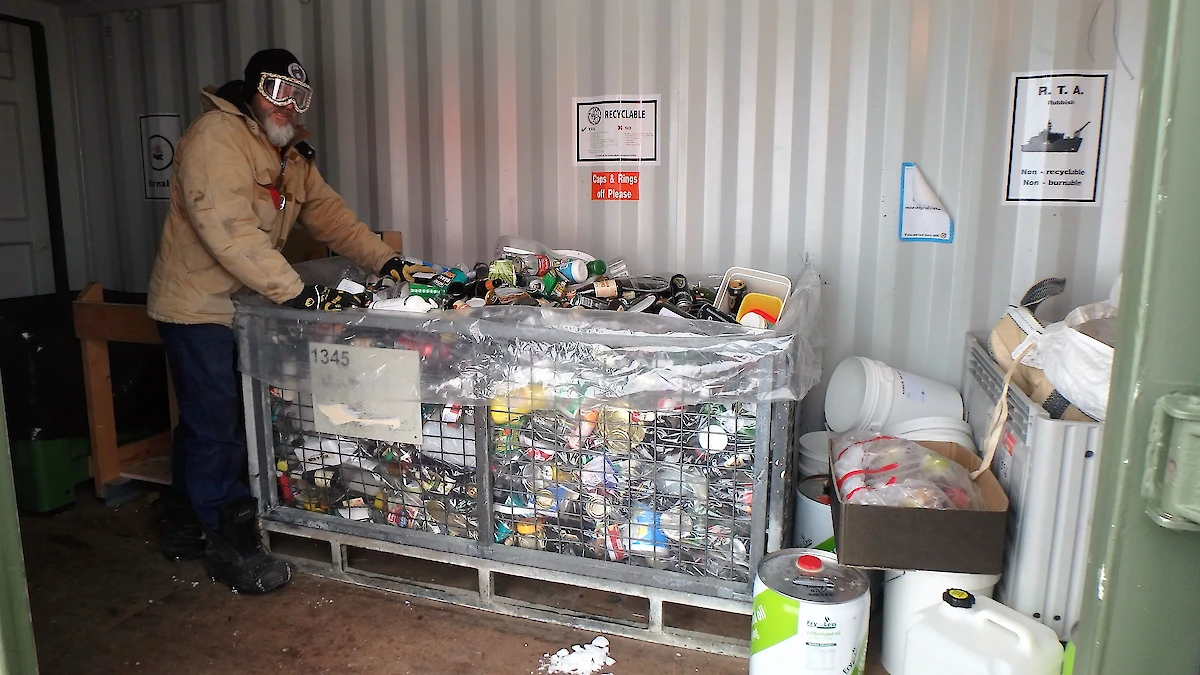
A mesh pallet full of recyclable materials. (Photo: Edward Gault / AAD)
In summary, the evolution of waste management in Antarctica illustrates that sustainability in extreme environments does not depend exclusively on available technology, but rather on a combination of governance, environmental responsibility, and coordinated operational practices. The model promoted by the System, especially since the Madrid Protocol, has transformed a continent that once reproduced its own waste disposal practices into a space where prevention, reduction at source, and controlled waste removal are the norm.
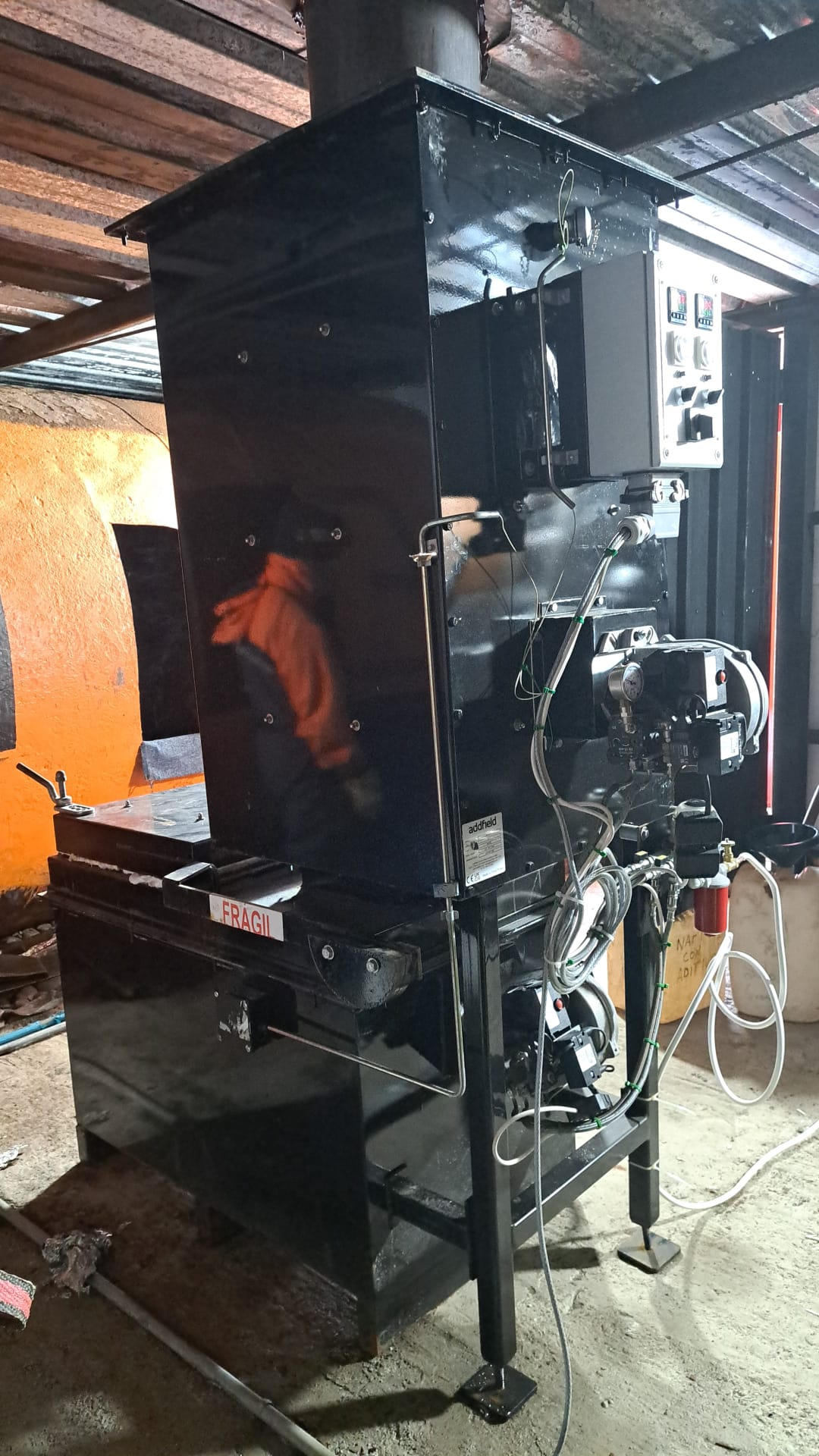
Easily combustible, non-problematic waste materials are incinerated on site. (Photo: Instituto Antártico Uruguayo)
However, this experience also reveals a significant technological gap. The global waste sector has made progress in energy recovery, applied biotechnology, decentralized treatment, and traceability digitization, but many of these solutions are still unable to fully adapt to the structural constraints of the white continent: extreme temperatures, energy limitations, reduced scale of generation, and risk of localized contamination.
Antarctica operates, to a large extent, under an incomplete circular economy model, where on-site innovation remains limited and removal from the continent continues to be the predominant strategy. In other words, the Antarctic waste system is environmentally responsible but structurally linear. Waste evacuation ensures environmental protection but interrupts the closing of material cycles that defines the circular economy.
This issue opens up fertile ground for the development of low-impact, modular, energy-efficient technologies that are compatible with fragile ecosystems. As mentioned, Antarctica is affected by global pollution, with microplastics present in the Antarctic environment and the Southern Ocean, making it a testing ground for the next generation of waste technologies.
There, every technical improvement must exceed environmental standards that are more rigorous than in any other territory on the planet, making the continent a space to rethink how the most protected place in the world still depends on an external evacuation system to close its waste cycle.
So, are we facing an exemplary model of sustainability… or the pending challenge of technologically reinventing the circular economy in its most strategic form?
Appendix: Bibliographical References
- Antarctic Treaty Secretariat (1991). Protocol to the Antarctic Treaty on Environmental Protection (Madrid Protocol). Annex II: Antarctic Flora and Fauna; Annex III: Waste Disposal and Management.
- Antarctic Treaty Secretariat (2005). Annex VI to the Madrid Protocol: Liability arising from environmental emergencies.
- COMNAP (2006) (Council of Managers of National Antarctic Programs). Waste Management Monitoring Guidelines for the Antarctic.
- Chamber of Waste Management Companies of Uruguay (Feb. 2026) Technical inquiries. Inicio – CEGRU
- Corbo, Richard (2019) Review of the regulatory framework and guidelines for the development of environmental management plans for Antarctic bases: Inputs for the development of an environmental management plan for the Artigas Antarctic Scientific Base. CURE,University of the Republic.
- Gröndahl, F., et al. (2009). “Challenges for the Environmental Management of Antarctic Research Stations”. Polar Research.
- Antarctic Treaty Secretariat,Resolución 1 (2019). Antarctic Clean-Up Manual.
- Declaration of generative AI
Source articles:
- https://polarjournal.net/waste-management-in-antarctica-part-1/
- https://polarjournal.net/waste-management-in-antarctica-part-2/